Space Age Closets designs and installs custom cabinetry and built-ins for homes across Toronto and the GTA, and few requests are as fun to design for as dark academia: the moody, book-lined look of old libraries and manor studies. If you love brooding interiors, deep colours and rooms that feel like they have a history, this style is very achievable at home. But dark rooms are unforgiving of half measures, so here are the rules that make the look work, and the mistakes that make it fall flat.
Choosing Your Dark Palette
Start with colour, because everything else hangs on it. Black and the deeper greys are the most reliable route to the academia mood, and darker shades of almost any colour will get you there too. Keep the goal in mind: the room should feel like it has been there a long time, with a look of antiquity rather than novelty. Temperature matters as much as depth. A dark navy is calming and studious; a strong red energizes a room and fights the quiet, settled feeling you are after. And do not overlook the warm end of the dark spectrum. Deep plum, earthy burgundy and black raspberry create a luxurious, modern dark interior that most people never think to try.

Get the Finish Right
Sheen decides whether a dark room reads as luxurious or as a freshly painted mistake. Flat and matte finishes are brilliant for moody atmospheres: they hide irregularities in the paintwork and are effortless to touch up. Their weakness is scuffing, so keep matte on surfaces that are safely out of reach, like ceilings and upper walls, and use harder-wearing finishes where hands and chairs actually make contact. For drama, glossy dark tile earns its keep in kitchens and bathrooms because it cleans easily; if a whole room of it is too much, use it on one focal point such as a shower wall or a stove backsplash.
The Small-Room Myth
Dark colours do not automatically make spaces feel smaller. Tiny rooms can feel surprisingly spacious in deep tones, because dark shades blur the edges of the walls and make the boundaries of the room harder to read. That is also why the same colours make a large room feel cosy instead of cavernous. For Toronto condos this is genuinely useful: a small den or bedroom in a deep tone often feels more finished, and less boxy, than the same room in builder white.
Ceilings, Trim and the Smaller First Step
Dark rooms echo the night, and the ceiling is where you can lean into that. Coating the ceiling and walls in the same deep shade blurs the line where one ends and the other begins, creating the illusion of endless space; in a room with high ceilings, painting the ceiling a few shades darker pulls it down into something intimate. If a fully dark room feels intimidating, take a smaller step first: paint the door, window trim, built-in shelves and mantel in a dark tone and keep the walls a lighter, related shade. The opposite move, one dark hue across walls, cabinetry and trim alike, is equally striking and makes bulky pieces recede into the backdrop, which is exactly how to make a small interior feel grander.

Balance: Light, Texture and Reflection
The key to a successful dark interior is balance. Every dark room needs lighter tones for contrast, and it needs texture even more: wood grain, wool throws, handwoven rugs and leather keep deep colours feeling warm instead of flat. Lighting does the rest. Warm light sources are essential, especially where natural light is limited, and dimmer switches let you hold the mood from morning through evening. Reflective surfaces are the finishing move: a full-length mirror or metallic accents placed opposite a window bounce light around the room and stop the darkness from swallowing it.
Built-Ins Are the Backbone of the Look
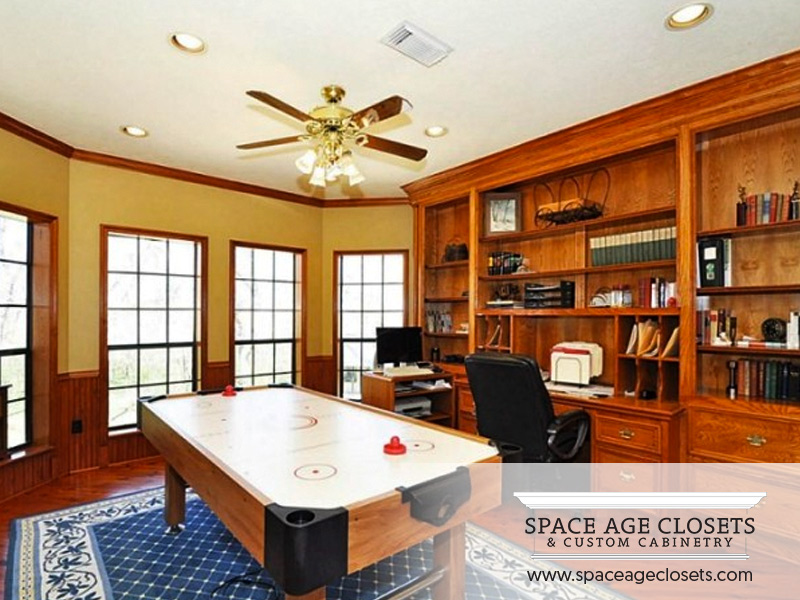
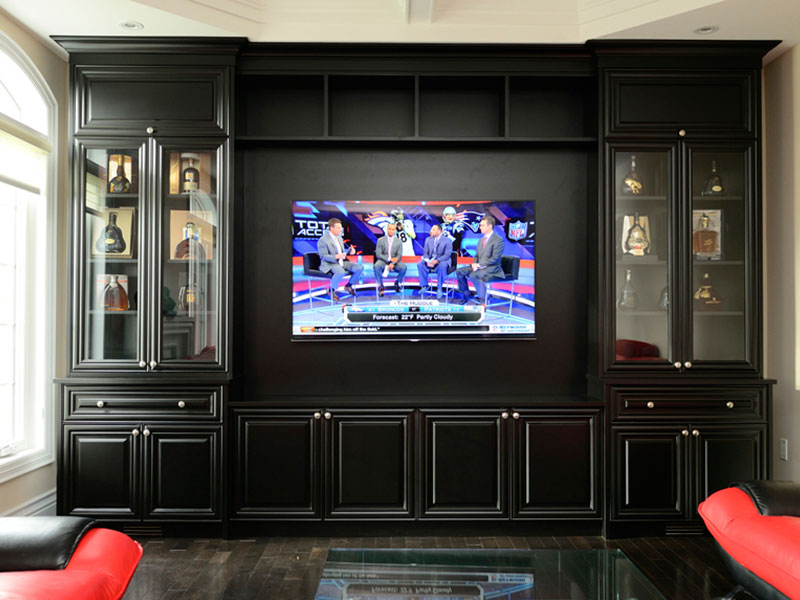
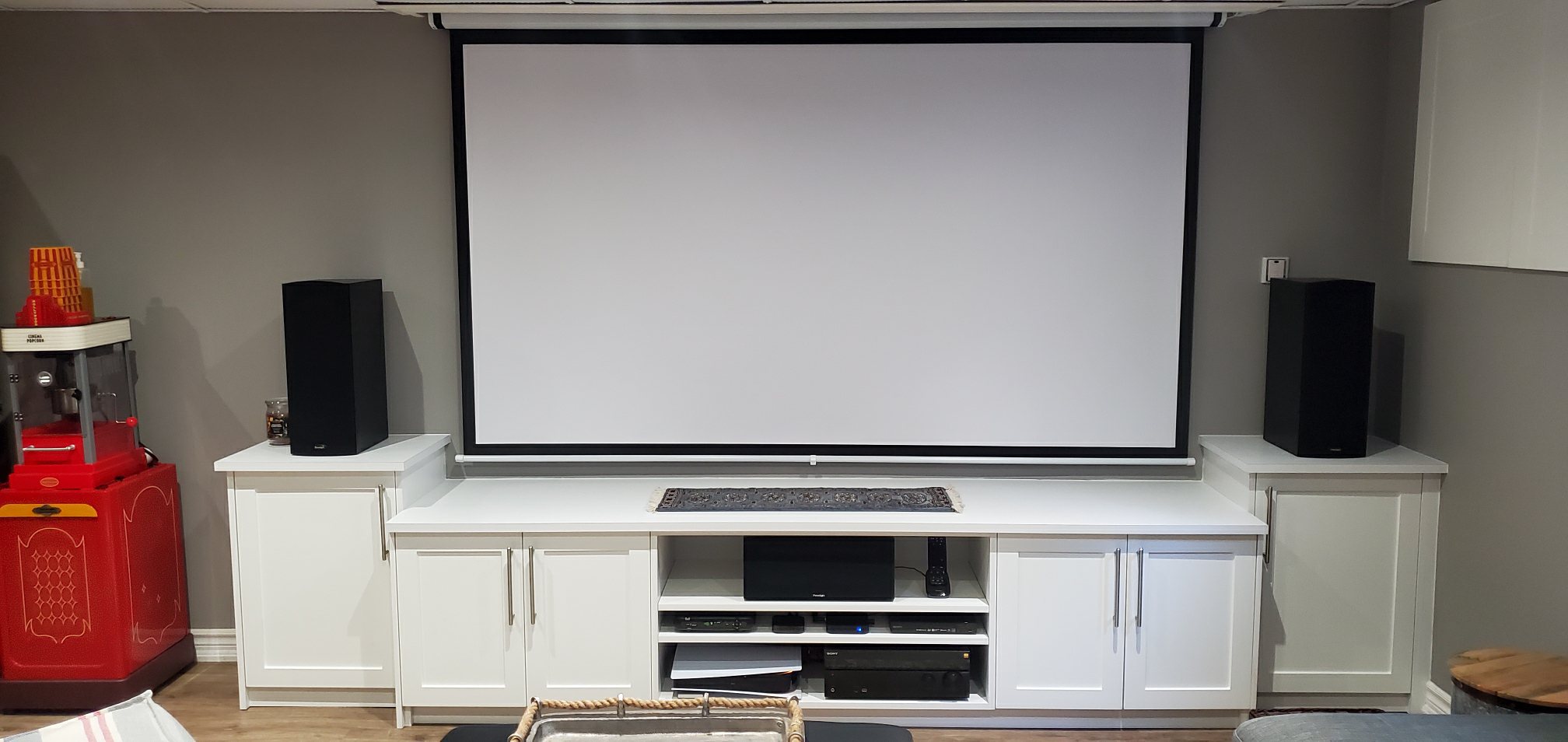
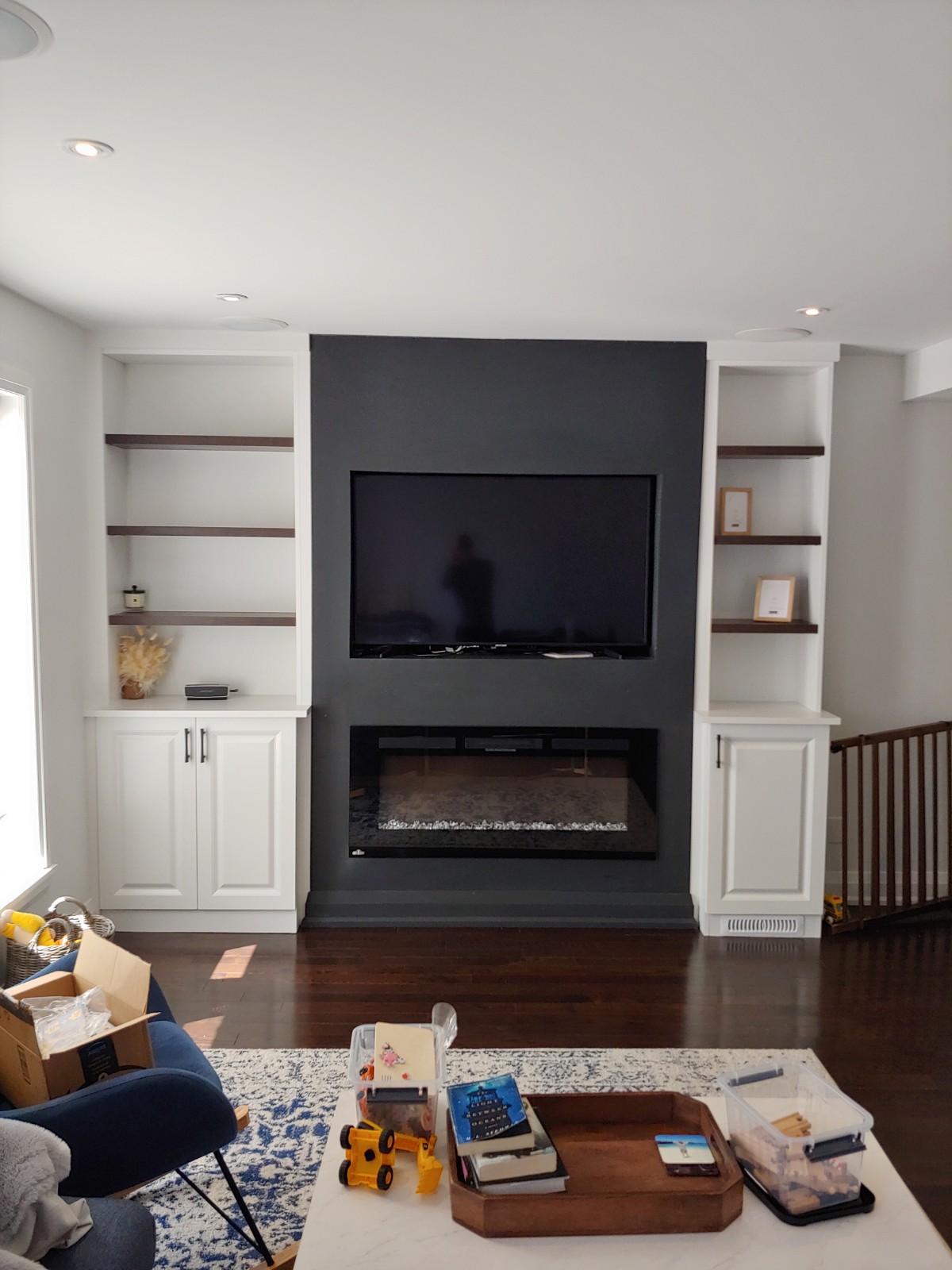
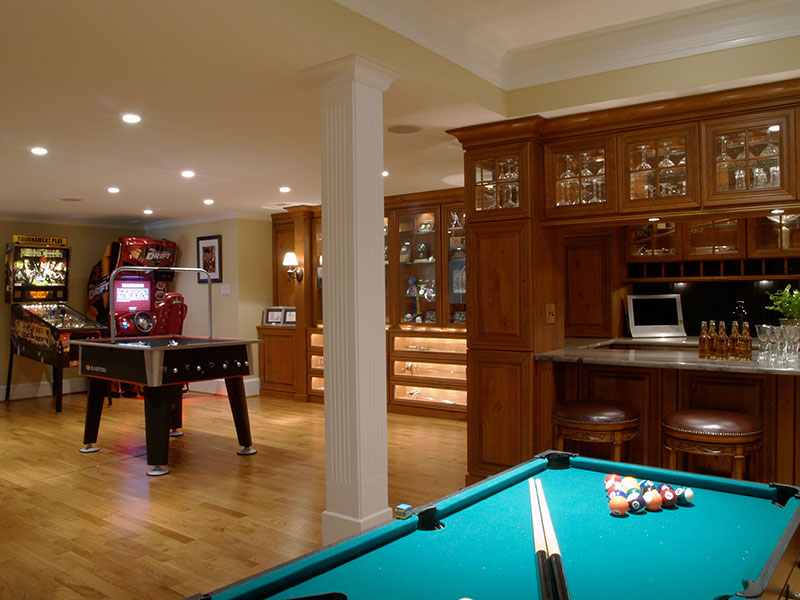
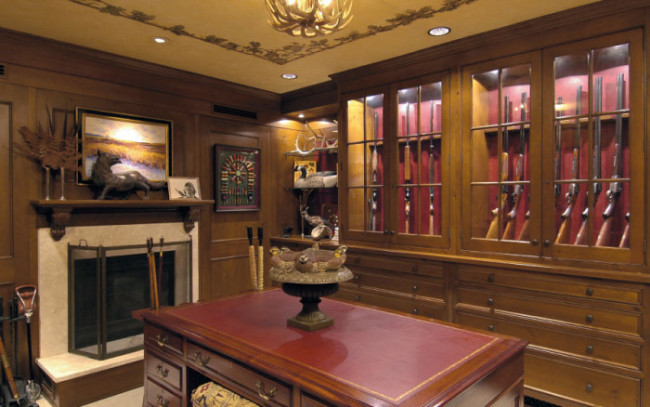
Every dark academia reference image has one thing in common: a wall of built-in storage full of books and objects that look collected rather than staged. Freestanding furniture rarely gets there, because the style depends on cabinetry that meets the walls and ceiling like original architecture. A floor-to-ceiling library wall of custom built-in shelving, painted out in your chosen dark tone, delivers the look in one move, and a custom wall unit around a fireplace or television does the same for a living room. Because each piece is designed and installed to measure for your room, the cabinetry reads as if the house was built around it, which is precisely the antiquity the style is chasing.


Dark Academia, Answered
What is dark academia style in interior design?
Dark academia is an interior style borrowed from old libraries, universities and manor studies: deep wall colours, book-filled built-in shelving, leather, brass and aged textures. Its goal is a settled, scholarly mood, a room that feels like it has been there for generations, which is why it has outlasted most decorating trends.
Will dark cabinetry make a small Toronto condo room feel smaller?
Usually the opposite. Deep tones blur the edges of a room so its boundaries are harder to read, which can make a small den or bedroom feel larger and more finished. The trick is committing: painting walls and cabinetry in one dark shade lets bulky pieces recede, while a single dark accent wall tends to chop a small room up.
What paint finish is best for dark walls and cabinetry?
Matte for atmosphere, harder-wearing sheens for contact surfaces. Flat finishes hide imperfections and give dark colours their velvety depth, but they scuff easily, so reserve them for ceilings and upper walls. On cabinetry fronts, doors and trim, choose a more durable finish that can be wiped and will survive daily hands.
Which room should I try dark academia in first?
A home office, study or den is the natural starting point: the rooms are smaller, the scholarly mood suits the function, and a single wall of dark built-in shelving carries the whole style. Bedrooms are a close second, where deep tones read as calm and cocooning. Save open-concept main floors for after you have lived with the look.
How do you keep a dark academia room from feeling gloomy?
Layer in warmth and reflection. Use warm bulbs on dimmers, add texture through wood, wool and leather, keep some lighter tones for contrast, and place a mirror or metallic accents opposite the window to bounce light around. Gloom comes from flat darkness; richness comes from dark colour with light moving through it.
Dreaming of a library wall or a moody built-in of your own? Call Space Age Closets at (647) 394-7557 to book a free in-home design consultation.