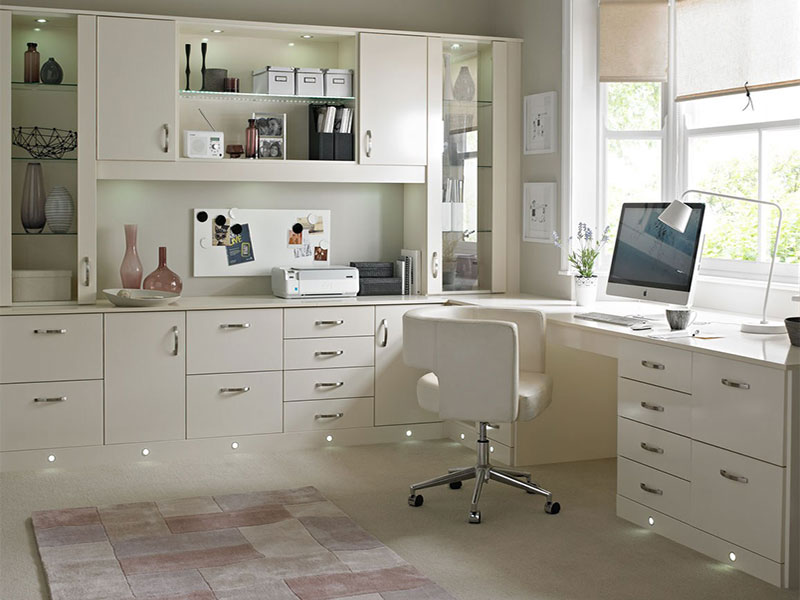
Space Age Closets designs and builds custom home office storage cabinets for houses and condos across Toronto and the GTA, and after decades of office installs we can tell you the right cabinets are chosen by interview, not by catalogue. What you store, how often you reach for it, what must stay hidden, and what deserves to be seen, answer those four questions honestly and the cabinet types, depths, and door styles practically choose themselves. Here is how we walk clients through it.

Start With the Paper: Files Decide the Drawers
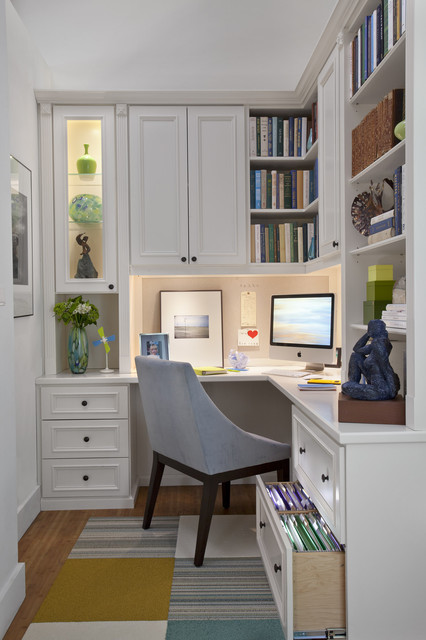
If you keep paper files, that decision drives more of the design than anything else. Loose paper is heavy, so file storage has to be built for the job, sturdy drawers on proper hardware, not a bookshelf pressed into service. Frequency matters just as much as strength: files you pull daily belong in a drawer bank at the desk, within reach of your chair, while backup files you touch twice a year can live in closed cabinets across the room or up high. Sorting your paper into “working” and “archive” before the design meeting is the single most useful piece of homework you can do.
Size the Cabinets to What Goes Inside Them
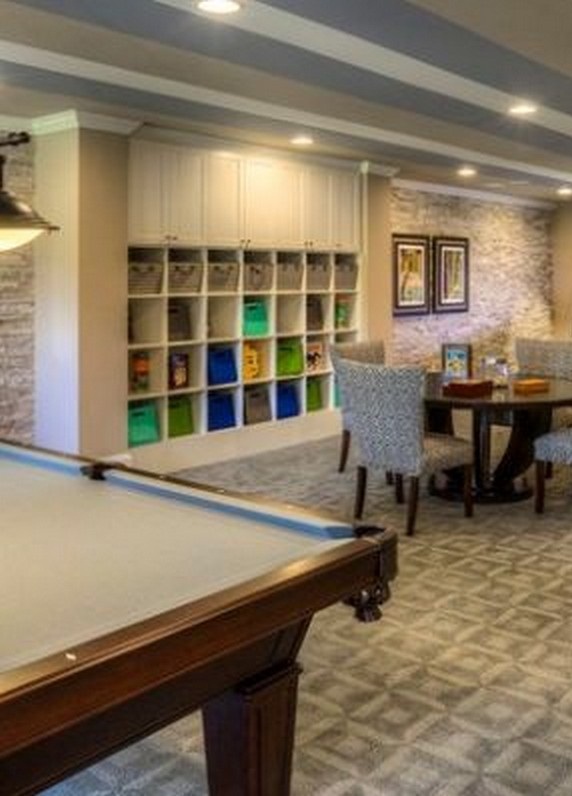
Stock furniture asks your belongings to fit the cabinet; custom cabinetry works the other way around. We size drawer depths to your folders, shelf spacing to your binders and reference books, and compartments to the actual footprint of your technology, laptops, tablets, printer, the label maker you forgot you owned. A shallow drawer near the chair for pens and paper is still the workhorse of every office, but most clients today also want a dedicated slot where the laptop lands at the end of the day. Measure nothing yourself if you’d rather not: our designer does it in the in-home consultation.
Door Styles: Open, Closed, or Locked
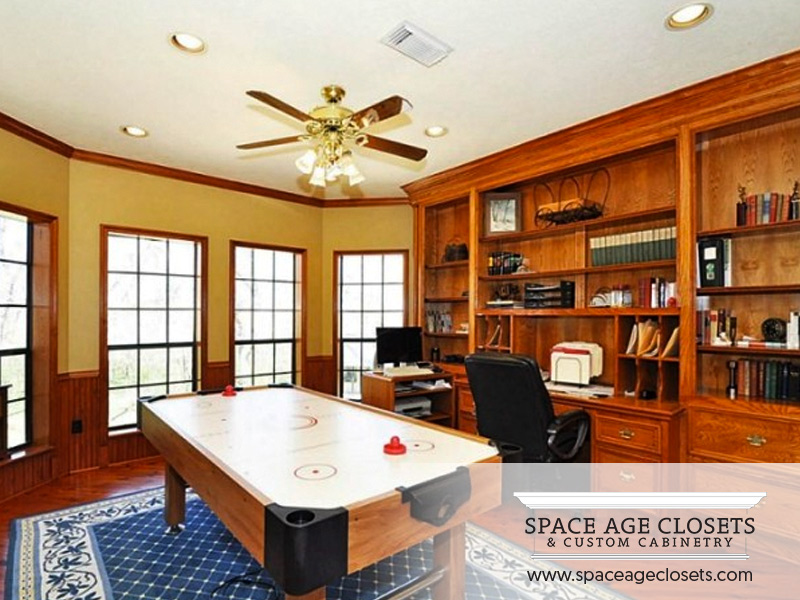
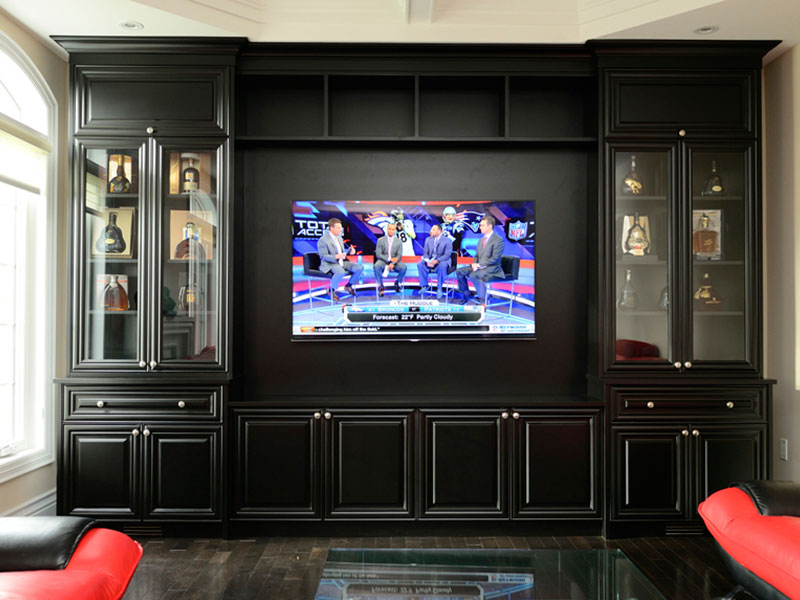
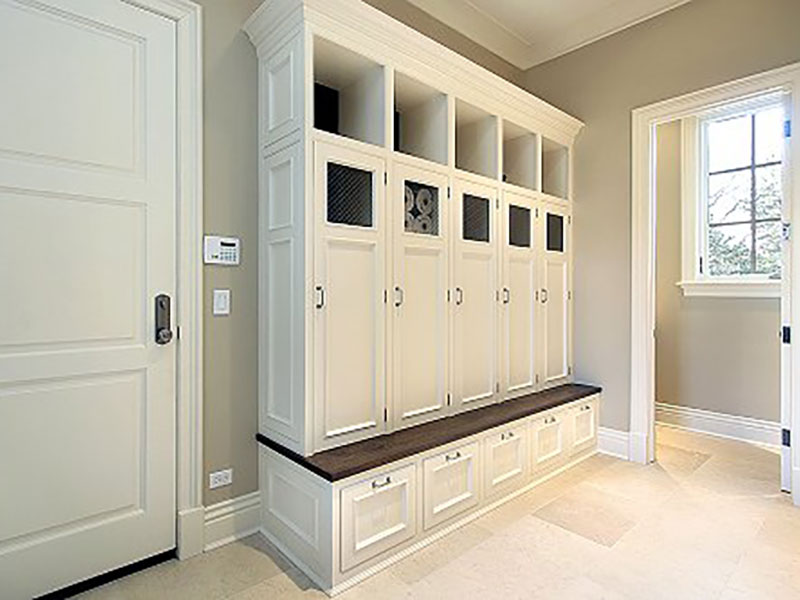
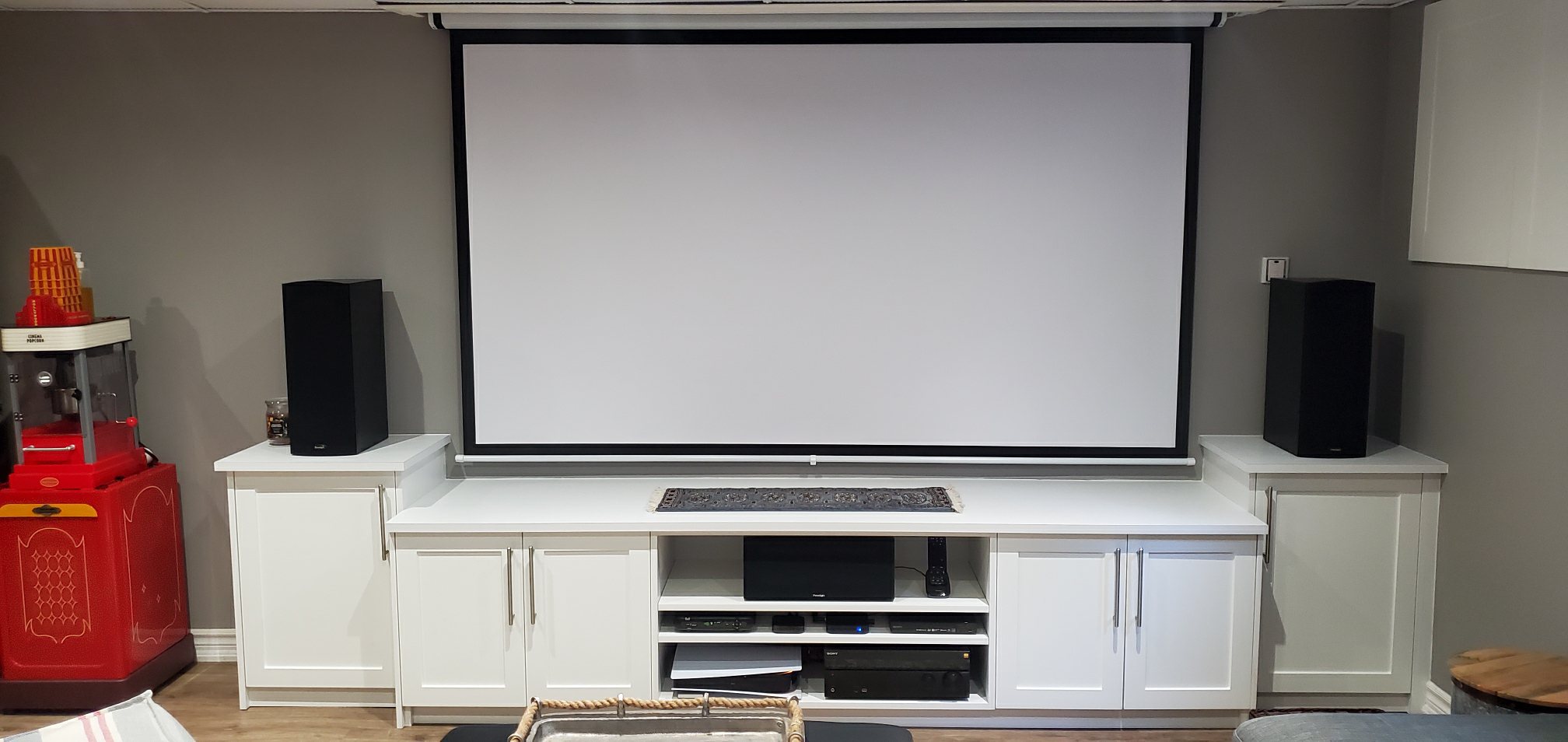
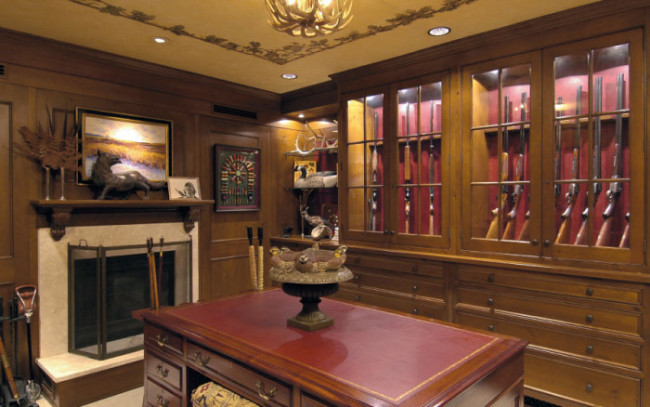
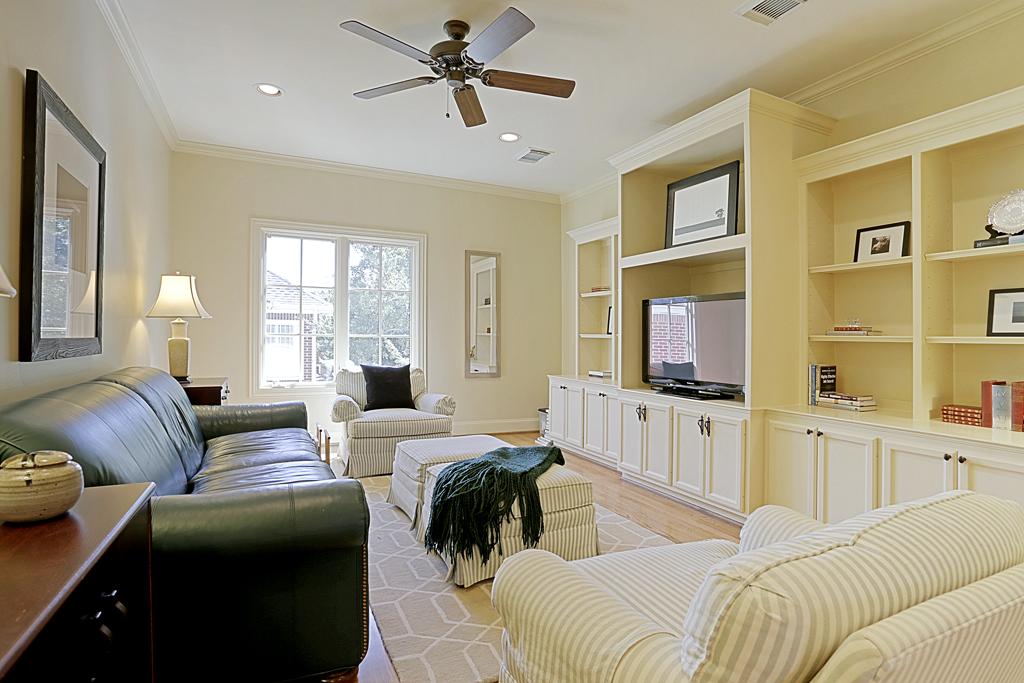
Every cabinet run is a mix of three door decisions. Open sections put things on show and keep them at hand. Closed doors are for everything that reads as visual noise, supplies, equipment, the clutter you don’t want staring back at you on a video call. And some contents deserve a lock: confidential client files, proprietary work, anything you’d rather household guests never stumble across. Cabinets storing those items should close fully and, where it matters, lock, a custom home office cabinet wall in Toronto can even incorporate a concealed safe.
Leave Room for What Deserves to Be Seen
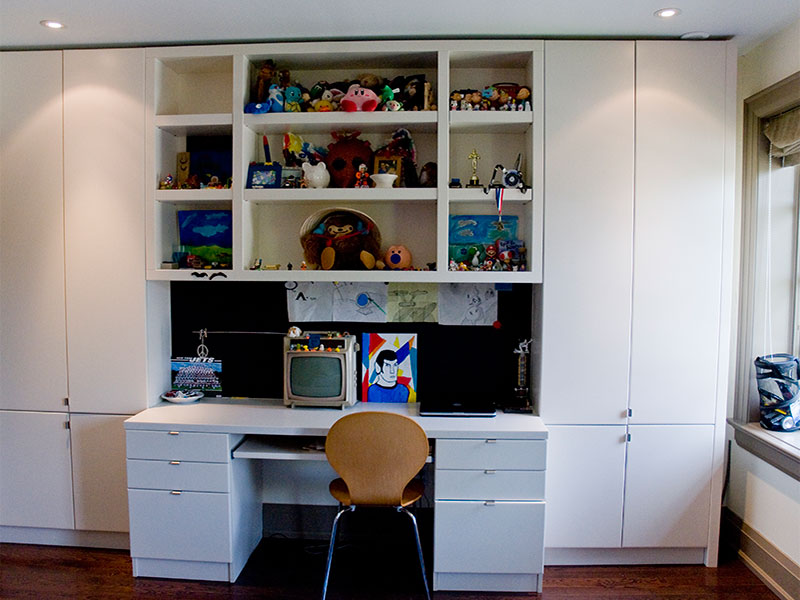
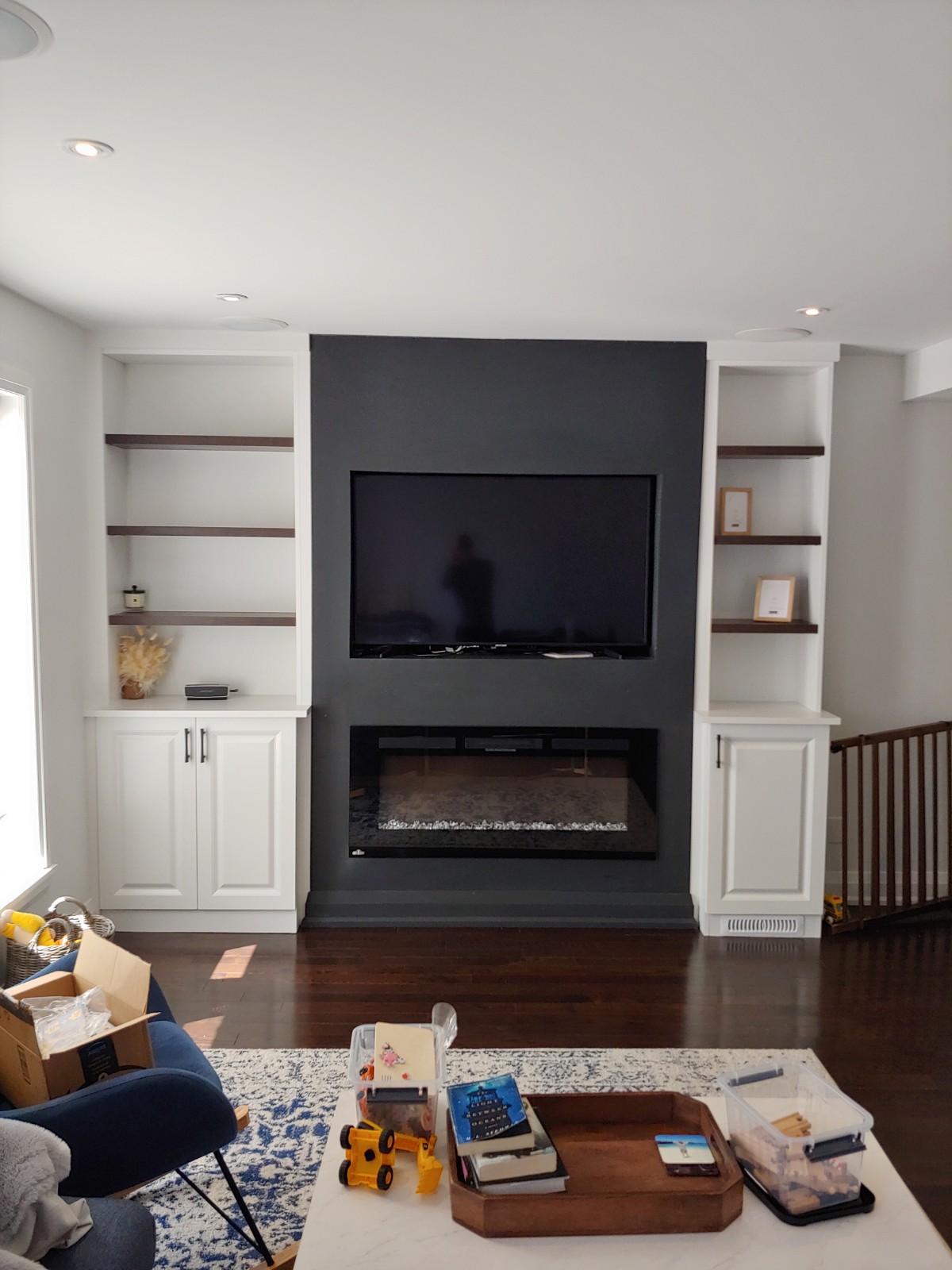
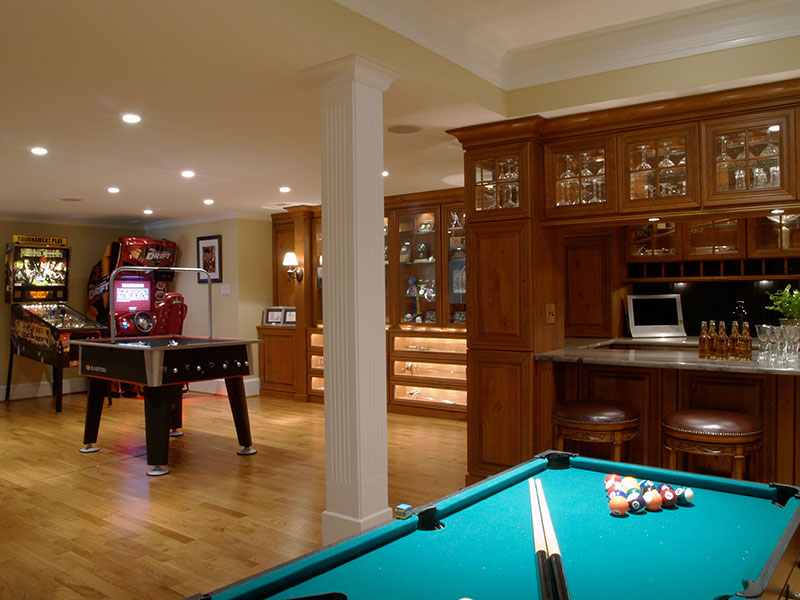
Even clients with a strong dislike of clutter, the ones who want doors on everything, end up glad they kept a few open sections. Memorabilia, awards, collectibles, the kids’ artwork: displaying them adds visual interest and makes the office a warmer, more pleasant room to spend the day in, and a room you like working in is a room you get more done in. The trick is proportion: display space should be the accent, not the storage plan.
Built to How You Work, Not the Other Way Around
Everyone works differently, which is why the same three cabinets from a big-box flyer disappoint so reliably. A design that starts from your work habits, where you sit, what you grab, what stresses you when it’s visible, produces an office that stays tidy on its own momentum. That’s the outlook we’ve built on since 1989: measure the person first, then the wall.

Cabinet Selection Questions, Answered
Should I choose built-in or freestanding storage cabinets for a home office?
Built-in wins whenever the room is oddly sized, shared, or small, which describes most Toronto offices. A built-in uses the full wall from floor to ceiling and is sized to your exact paper, books, and equipment, while freestanding pieces leave dead gaps and force compromises. Freestanding only makes sense if you expect to move the office between rooms often.
What makes a real file drawer different from a regular drawer?
Strength and fittings. Paper is far heavier than people expect, so a true file drawer is built deeper, runs on hardware rated for the load, and holds folders upright so you read tabs at a glance instead of excavating piles. A regular drawer with folders laid flat becomes a junk drawer with paperwork in it.
Are wall-hung upper cabinets or floor-standing cabinets better for an office?
Use both, by weight and frequency. Heavy paper files and equipment belong low, in floor-standing drawers and cabinets; lighter reference material, supplies, and rarely-touched archives go up into wall-hung sections. That split keeps the things you grab hourly at desk height and frees floor area in a small room.
Can home office cabinets be locked for confidential documents?
Yes. Locks are a simple add-on at design time, on a single file drawer, a full door section, or both, and the hardware stays discreet, so the office doesn’t look like a records room. Clients who work with confidential client files or proprietary material lock one dedicated bank and leave the rest of the wall open-and-easy.
What should I take stock of before choosing office cabinets?
Four inventories: paper (how much, and how much is truly active), equipment (every device that needs a home, chargers included), books and binders (count the shelf feet), and display pieces you want visible. Bring that list to the consultation and the cabinet mix, drawers, doors, open shelves, falls out of it almost automatically.
Still not sure which cabinets are right for your office, or sitting on an ambitious idea for the wall? Call Space Age Closets at (647) 394-7557 to book a free in-home design consultation.