Space Age Closets designs and builds custom closets in Toronto and the GTA, and one benefit comes up in almost every follow-up conversation with clients: mornings got faster. Closet organization for a faster morning routine isn’t about owning less, it’s about never hunting. When every category of clothing has one fixed home, at the right height, getting dressed stops being a search and starts being a sequence. Here’s how we design a closet so the first twenty minutes of your day run themselves.

Stage Tomorrow Tonight
The single fastest morning is the one where the decision was already made. We build a staging point into nearly every closet: a valet rod that pulls out from the cabinetry, or a short open section of rod kept deliberately empty. The night before, tomorrow’s outfit hangs there, checked, matched, done. In the morning you’re not choosing, you’re just dressing. It sounds almost too simple, but clients tell us this one habit, made possible by one small piece of hardware, changes the whole tone of their morning.
Put Every Day at Eye Level
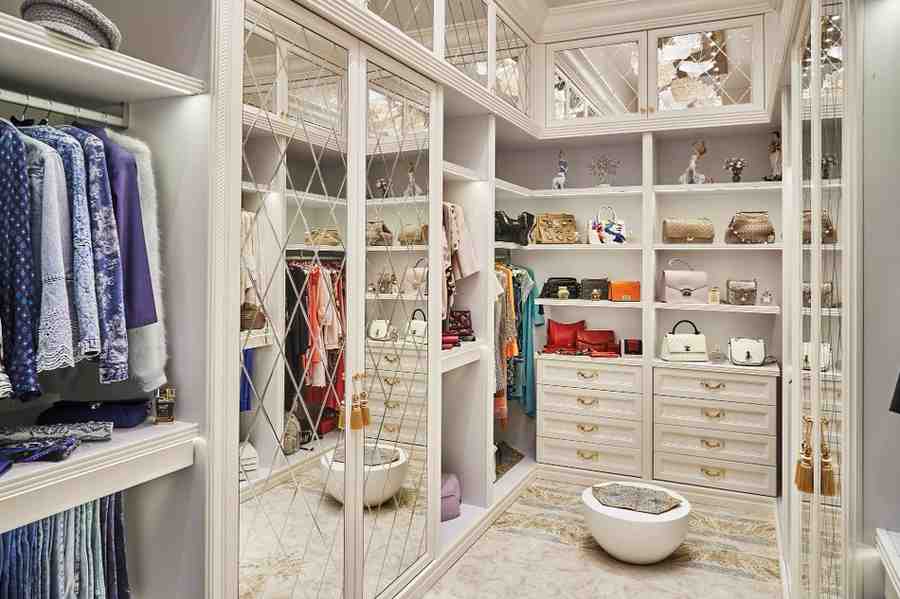
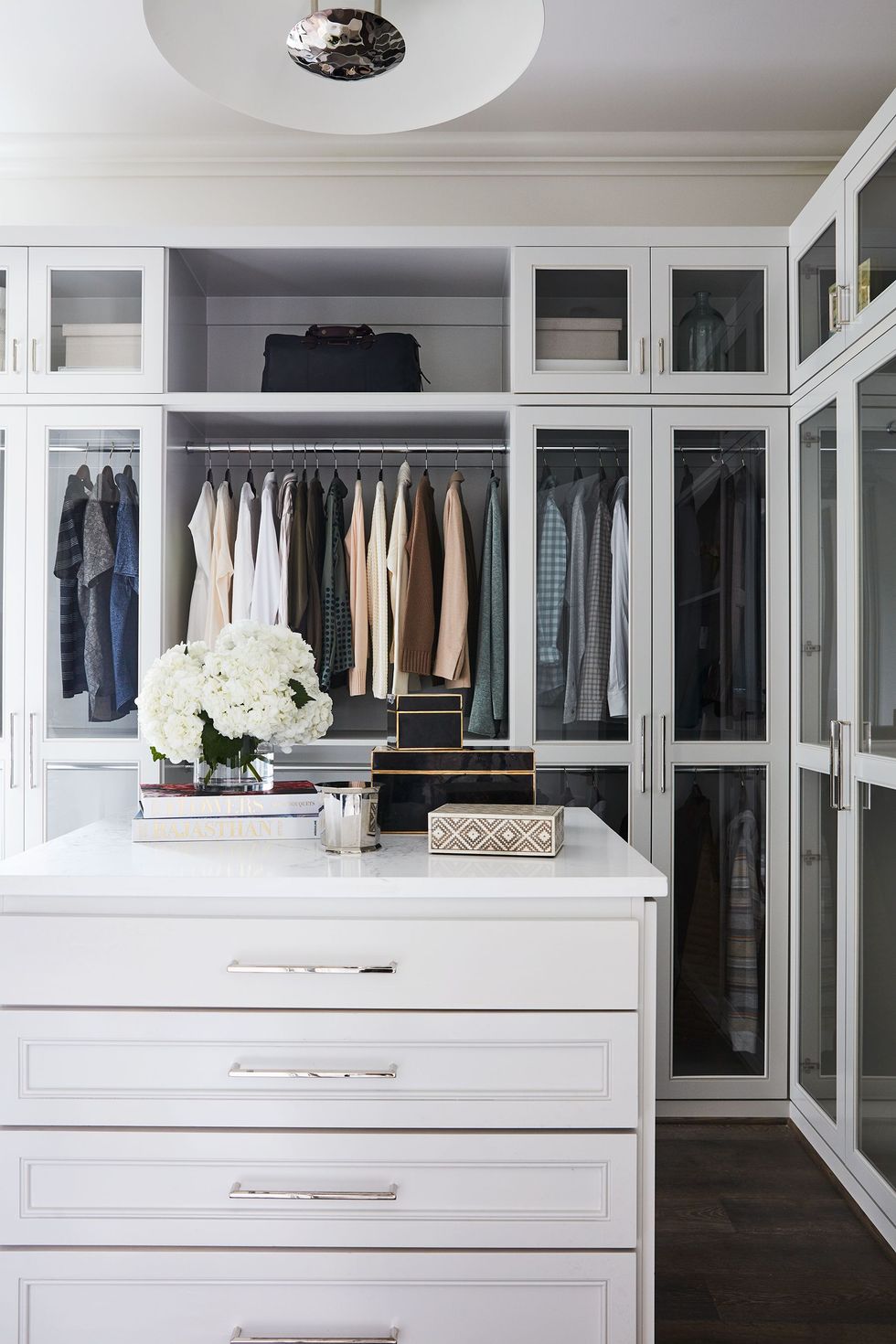
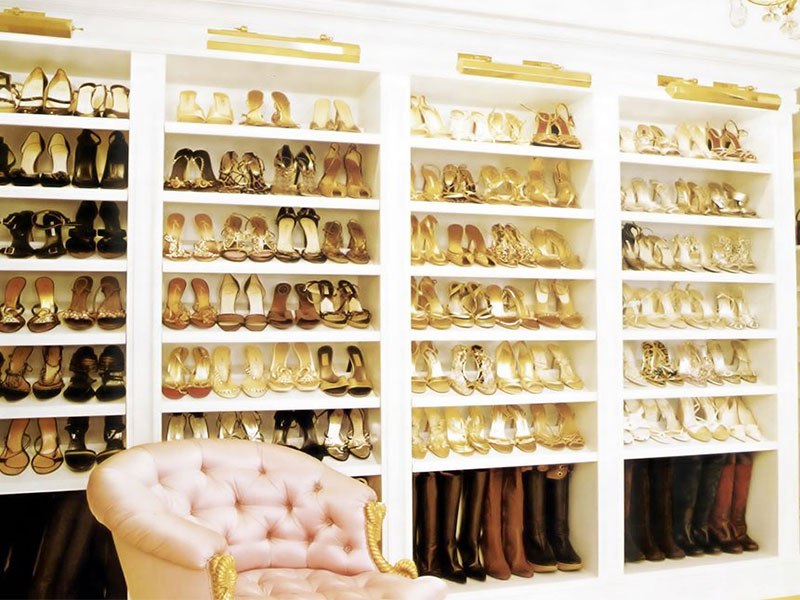
Every closet has a prime zone, roughly shoulder to hip height, where your eyes and hands land without stretching or crouching. In a builder’s closet that zone is wasted on a single rod with dead air above and a pile below. In a custom layout, the clothes you wear weekly live exactly there: shirts and jackets double-hung, everyday drawers at standing height, this week’s shoes on an easy shelf. Occasional pieces move up; out-of-season pieces move to the top shelves in labelled bins. You should be able to dress for a normal day without touching anything above your head or below your knees.
One Home Per Category
Lost time in the morning is almost never about the big items, it’s the belt, the second black sock, the specific scarf. The fix is a designated home for every category: a shallow drawer with dividers for socks and underwear, a pull-out rack for belts and ties, a hook or bin for gym gear, one spot where your keys and wallet land every evening. When custom closets in Toronto are designed around your actual wardrobe, counted, measured, category by category, nothing floats, so nothing hides.
Keep Only the Season in Play
A Toronto wardrobe is really two wardrobes, and a closet that mixes them makes you wade through parkas in July. Getting ready is measurably quicker when the prime zone holds only the season you’re living in. We plan a rotation shelf, usually the full top run of the closet, where the off-season wardrobe waits in matched bins. Twice a year the seasons swap places in an afternoon. From October to April you never push past a linen shirt to find your sweater, and from May to September the wool is out of your way entirely.
Reach-In Closets Can Be Just as Quick
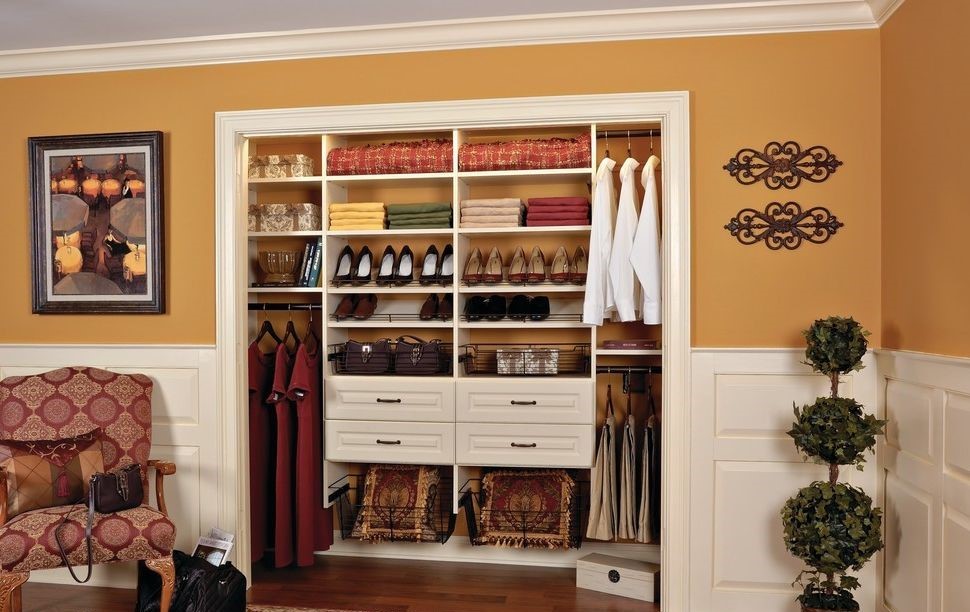
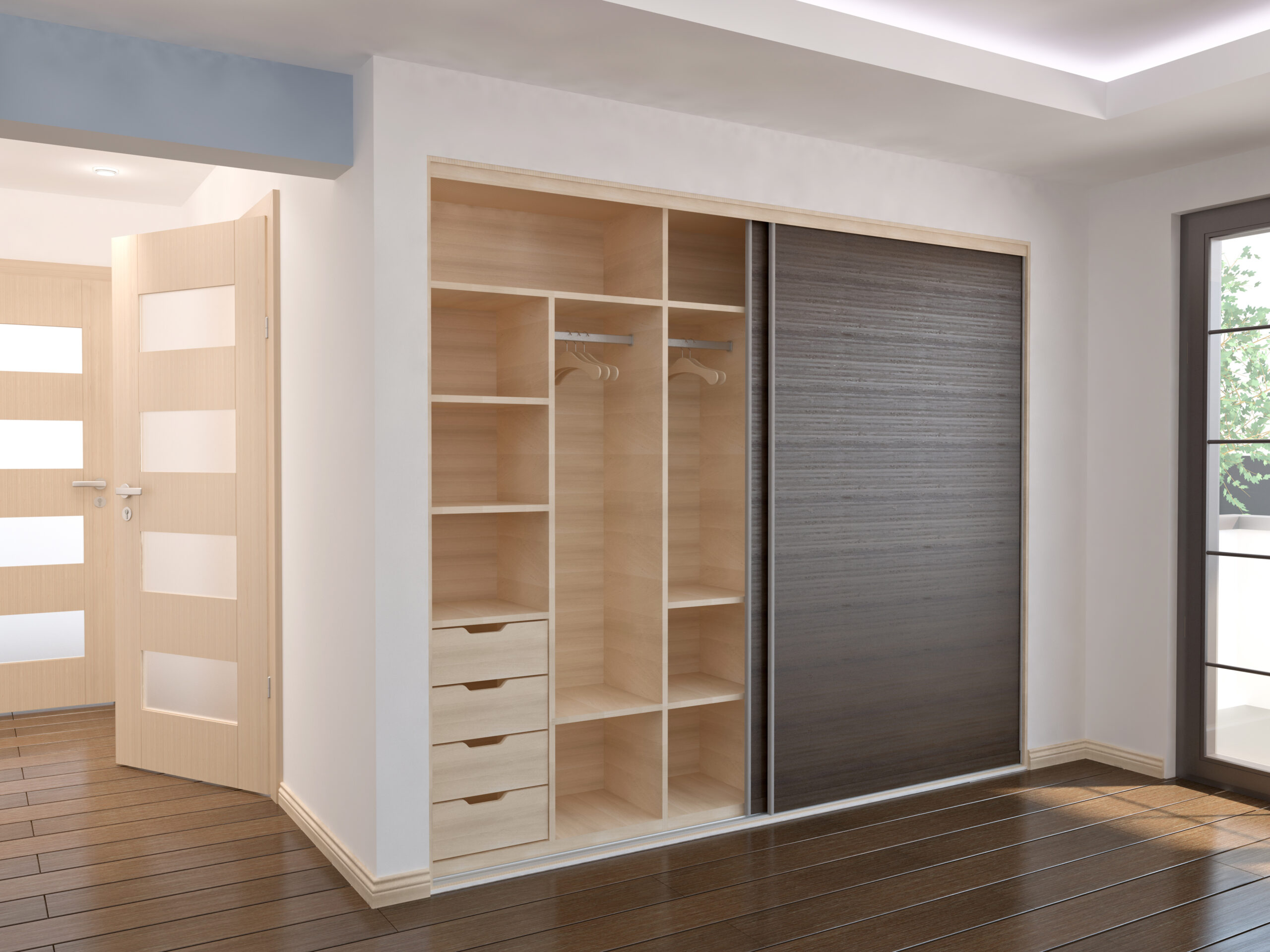
You don’t need a walk-in for a fast morning. A well-fitted reach-in, double rods, a bank of drawers, shelves sized to what you actually fold, presents everything in one glance, which is genuinely hard to beat. The usual thieves of reach-in speed are a single sagging rod and doors that only expose half the closet at a time; both are solvable with a proper interior and the right door choice. Our reach-in closet systems are custom-built to measure and sized to the inch, so even a four-foot closet can carry a full working wardrobe.

Faster Mornings for the Whole House
The same thinking scales down to kids’ closets: rods and shelves at their height, one bin per category, a spot where the packed school bag lives overnight. A child who can see and reach their own clothes gets ready without a parent standing in the doorway, which, on a school morning, is time handed back to everyone. We routinely build closets that adjust as kids grow, so the layout keeps pace with the wardrobe.
Faster-Morning Closet Questions, Answered
Does laying out clothes the night before actually save time?
Yes. It moves the slowest part of getting dressed (deciding) to the evening, when you’re not against the clock. The trick is giving the habit a home: a valet rod or a deliberately empty stretch of rod. If the staged outfit has nowhere to hang, the habit dies in a week.
What should be stored at eye level in a closet?
The clothes you reach for weekly, everyday shirts, work trousers, the jacket you actually wear. Eye-to-hip height is the zone your hands find without effort, so anything you use daily belongs there. Occasional and off-season pieces earn the high shelves; the floor is for nothing but shoes on racks.
Where should workout clothes live if I exercise in the morning?
In their own dedicated drawer or bin near the closet entrance, never mixed into general clothing. A 6 a.m. start works when the entire kit (top, bottom, socks) comes out of one spot in one motion, ideally staged the night before beside your shoes.
How do you speed up a reach-in closet?
Three moves: replace the single rod with double hanging so twice the wardrobe sits in view, add real drawers inside the closet so you’re not crossing the room to a dresser, and choose doors that expose the full opening at once. A fitted reach-in can be dressed from as quickly as a walk-in.
How can a custom closet help kids get out the door on school mornings?
Build it at their scale: a low rod they can reach, open bins they can see into, and one hook where the packed school bag hangs overnight. When a child can find everything without help, the morning bottleneck at the closet door disappears, and adjustable systems move up as they grow.
Ready for mornings that run themselves? Call Space Age Closets at (647) 394-7557 to book a free in-home design consultation.