Space Age Closets builds custom reach-in closets for small Toronto bedrooms and condos, and good small reach-in closet design is how a modest closet ends up outworking a walk-in. Larger homes are a rarity in this city, so most of us are dressing out of a standard reach-in opening, usually fitted with one rod and one shelf that waste most of the cavity. You don’t need more square footage; you need the closet you already have designed properly. Here are the design techniques we use to make a small reach-in earn its keep.
Let the Doors Do Double Duty
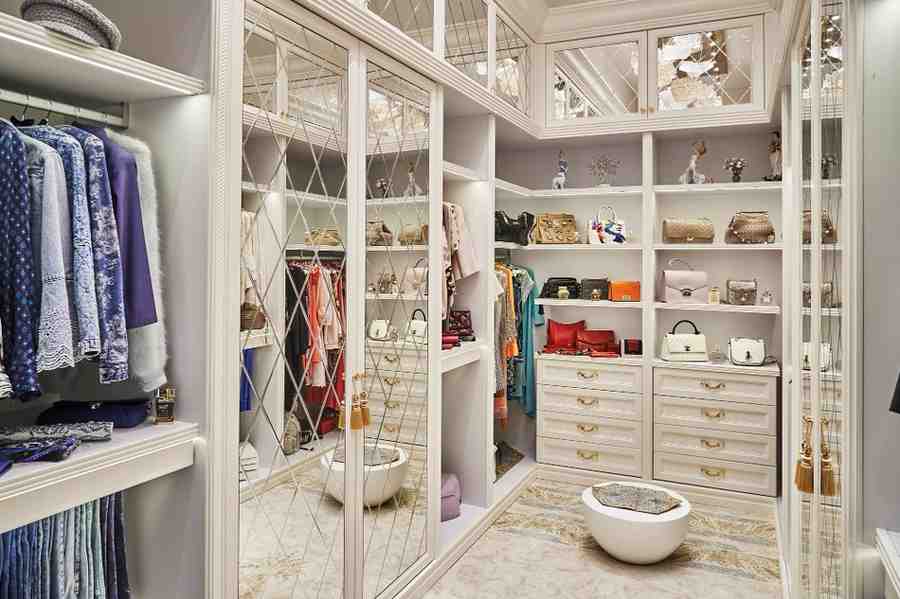
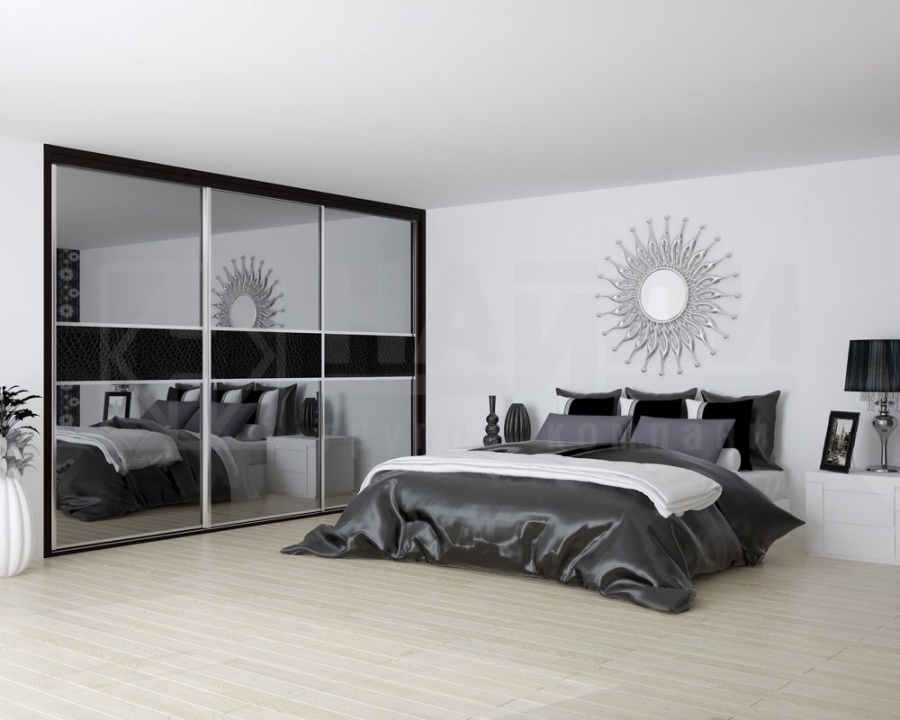
In a small bedroom, every fixture should be doing two jobs, and the closet doors are the easiest place to start. A full-length mirror mounted on the back of a hinged door means you never give up floor space to a stand-alone mirror. Mirrored sliding panels go a step further: they need no swing clearance at all, they give you a dressing mirror the full width of the closet, and they bounce light around a small room so the whole space reads larger. Either way, the door stops being just a door.

Design Shelving In, Not Just a Rod
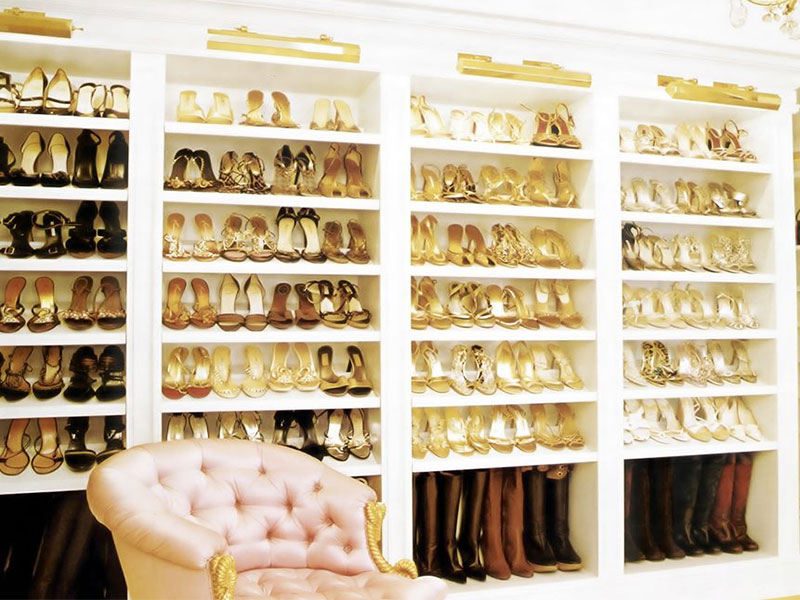
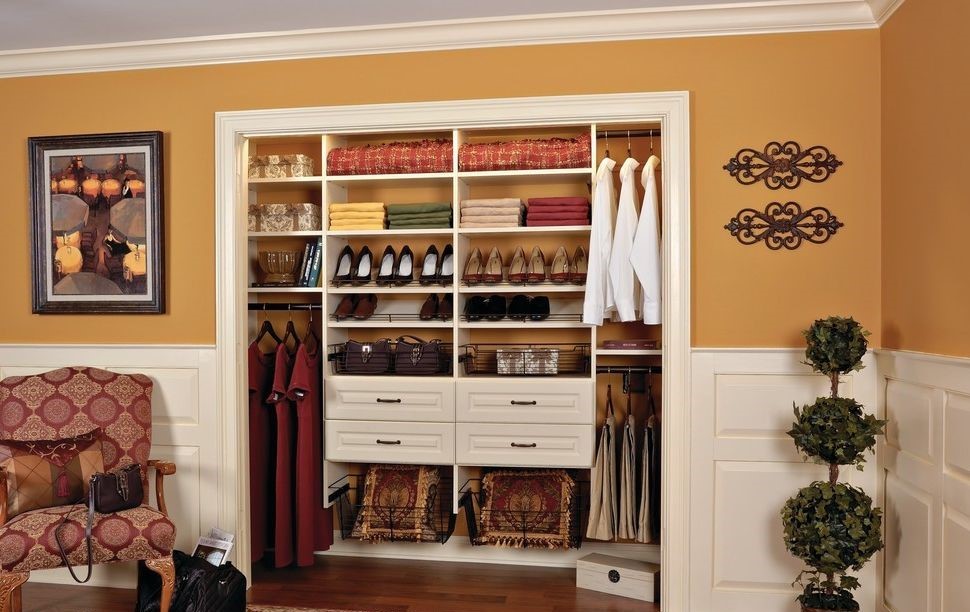
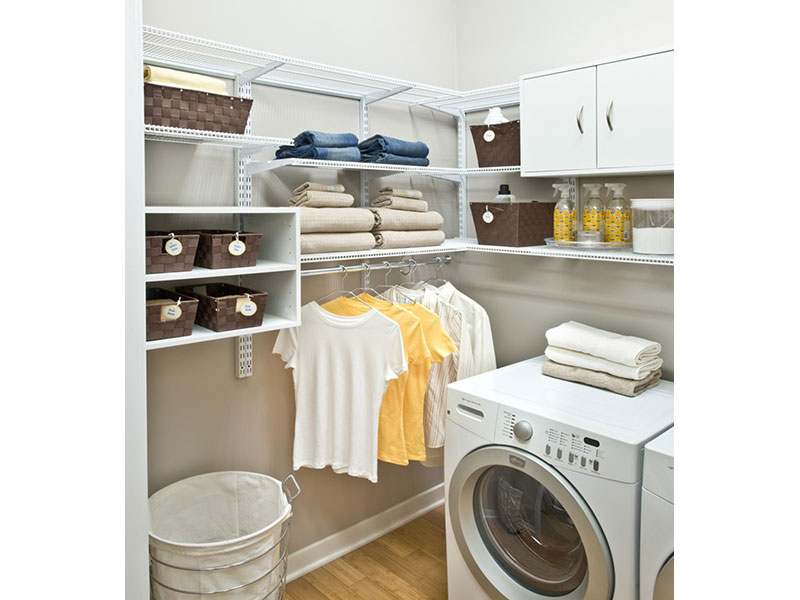
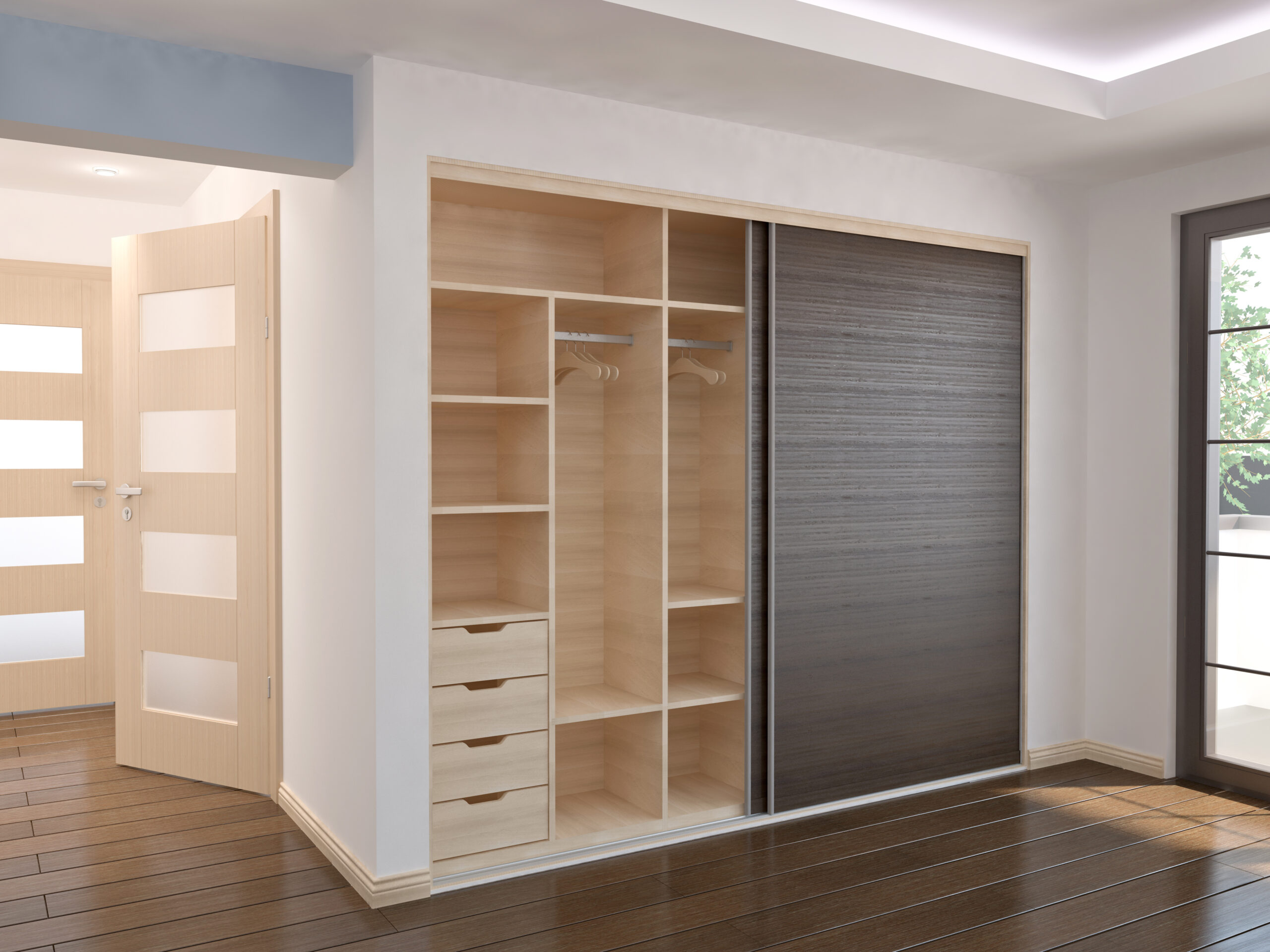
A builder’s reach-in gives you a rail, which is fine for dresses, blouses, suits and jackets, and wrong for half of what you own. Sweaters stretch out of shape on hangers; pants crease; knits sag. Those pieces belong folded on shelves. Building adjustable shelving into one section of the closet lets each garment be stored the way it keeps its shape, and it turns dead air above and beside the rod into real capacity. Shelving also solves the collections: shoes, hats and handbags each get a dedicated run of shelf instead of a pile on the closet floor.
Double the Rails, Double the Hanging
The single most effective move in a small reach-in is the double rail. The builder’s rod sits near the top of the closet with a metre and a half of empty air below it, add a second rail underneath and the same wall now hangs twice the clothing. Shirts and blouses go up top, jackets and blazers below, and the split itself becomes an organizing system: work clothes on one level, casual on the other. Short-hanging garments are most of any wardrobe, so doubling the rails routinely does more for capacity than annexing another closet would.
Small-Space Moves That Finish the Design
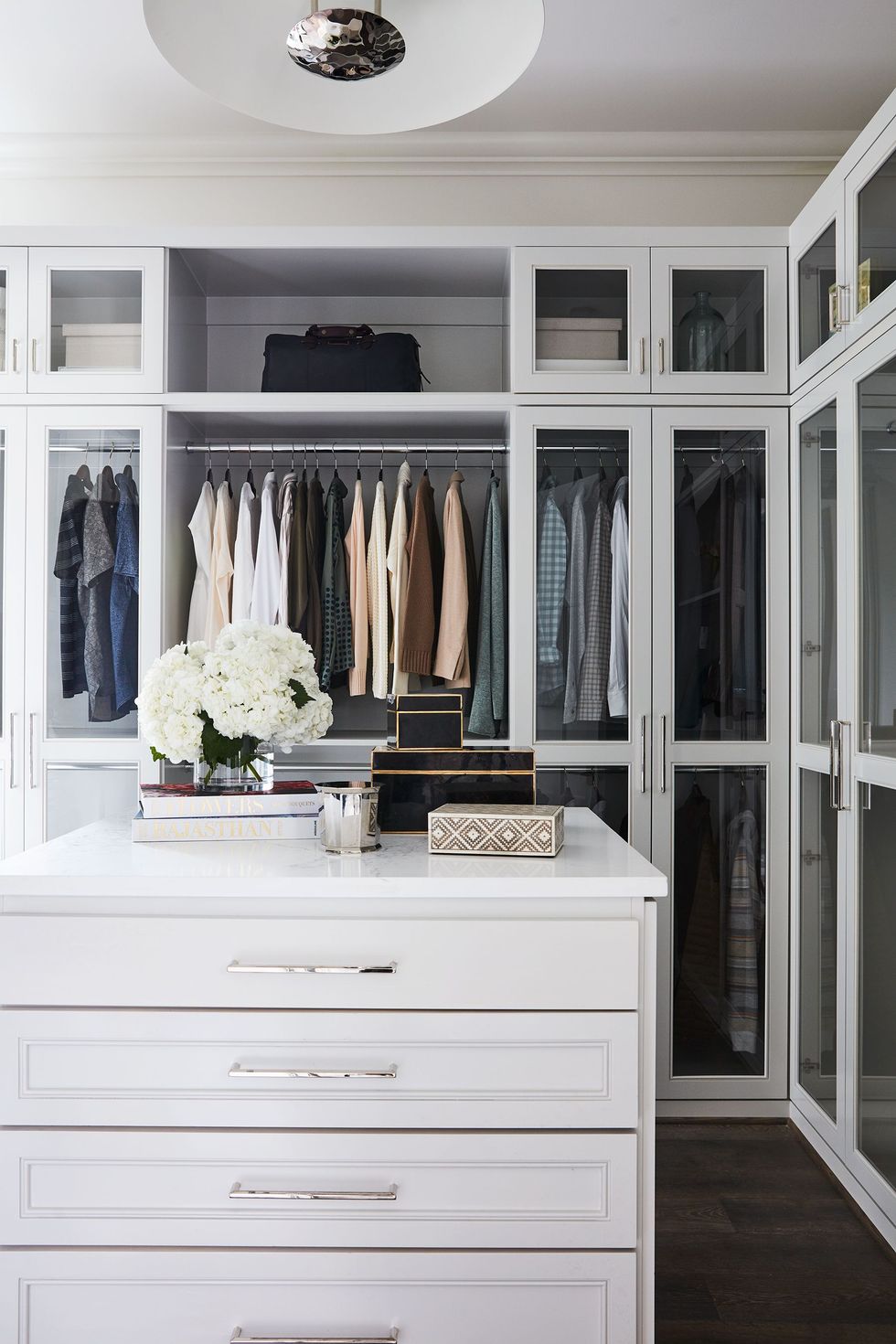
A few more techniques we reach for when the room is tight. Drawers built into the closet itself can replace a bedroom dresser entirely, that’s a whole piece of furniture handed back to the room. Vertical dividers keep handbags upright and turn one deep shelf into slots. LED strip lighting inside the closet costs almost nothing and means the back of a deep reach-in stops being a black hole. And because every one of our interiors is custom-made to measure, awkward openings, the shallow alcove, the off-centre nook older Toronto houses love, get components sized to the inch instead of a stock kit forced to fit.
If your closet opening is ready for a working interior, start with our custom reach-in closets, or see how the same made-to-measure approach works across our custom closets for Toronto homes.

Small Reach-In Design Questions, Answered
Can I double-hang in a standard-height reach-in closet?
Almost always, yes. Shirts, blouses, folded-over pants and jackets all hang comfortably in the two levels a standard ceiling allows. We keep one short section of single hanging for dresses and long coats, and double-rail everything else, that split alone can roughly double what the closet holds.
Are mirrored closet doors a good idea in a small bedroom?
They’re one of the best small-room moves there is. You get a full-width dressing mirror without sacrificing a square foot of floor, and the reflection visually doubles the room and multiplies its light. If floor-to-ceiling mirror feels like too much, a mirror panel on the back of a hinged door gives you the function without changing the room’s look.
Which clothes should be folded on shelves instead of hung?
Sweaters and knits, first and foremost, hangers stretch their shoulders out of shape. Heavy pants, jeans and T-shirts also do better folded. Keep the rails for structured pieces that wrinkle when folded: dress shirts, blouses, suits, jackets and dresses. A good closet design gives both storage types their own zone.
Can drawers really fit inside a reach-in closet?
Yes, a bank of drawers in the lower half of the closet is a standard part of our reach-in interiors. Socks, underwear and folded basics move inside the closet, and many clients retire the bedroom dresser altogether, which hands several square feet of floor back to a small room.
Is a custom interior worth it for a very small closet?
The smaller the closet, the more the design matters. In a big walk-in, wasted inches disappear; in a 4-foot reach-in, they’re a third of your storage. Made-to-measure components sized to your exact opening, rails, shelves, drawers, dividers, are precisely what lets a small closet hold what a stock kit never could.
Ready to make a small closet work like a big one? Call Space Age Closets at (647) 394-7557 for a complimentary in-home design consultation, anywhere in Toronto and the GTA.