Space Age Closets designs and builds custom walk-in closets for Toronto and GTA homes, and the right walk-in closet design ideas are what separate a genuinely useful dressing space from a mini-room with some basic shelving. A walk-in can be minimal or it can be artful, either way, the good ones all start with a plan for what you actually own, built in materials and finishes you’ll enjoy looking at every morning.

Plan the Hanging Space First
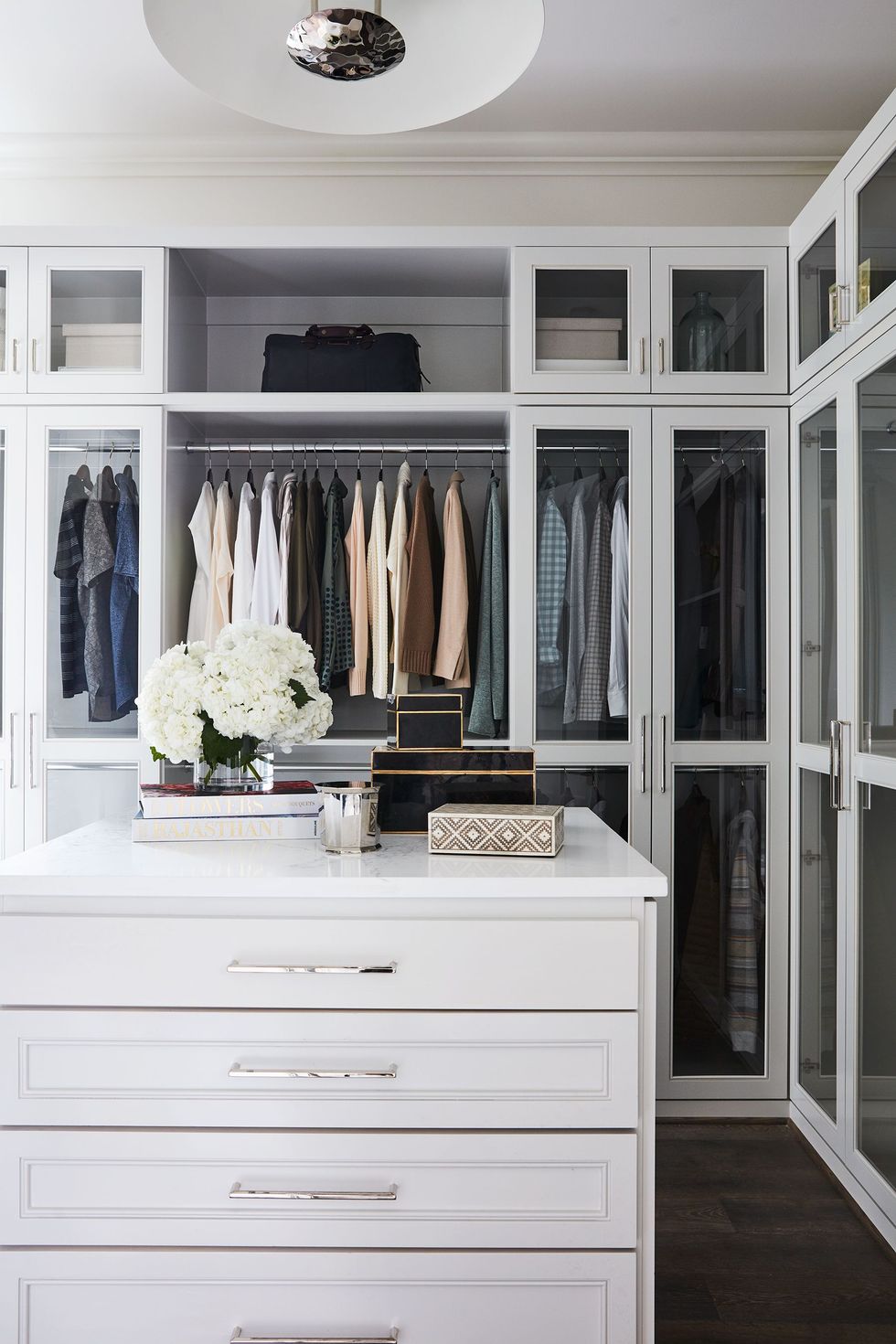
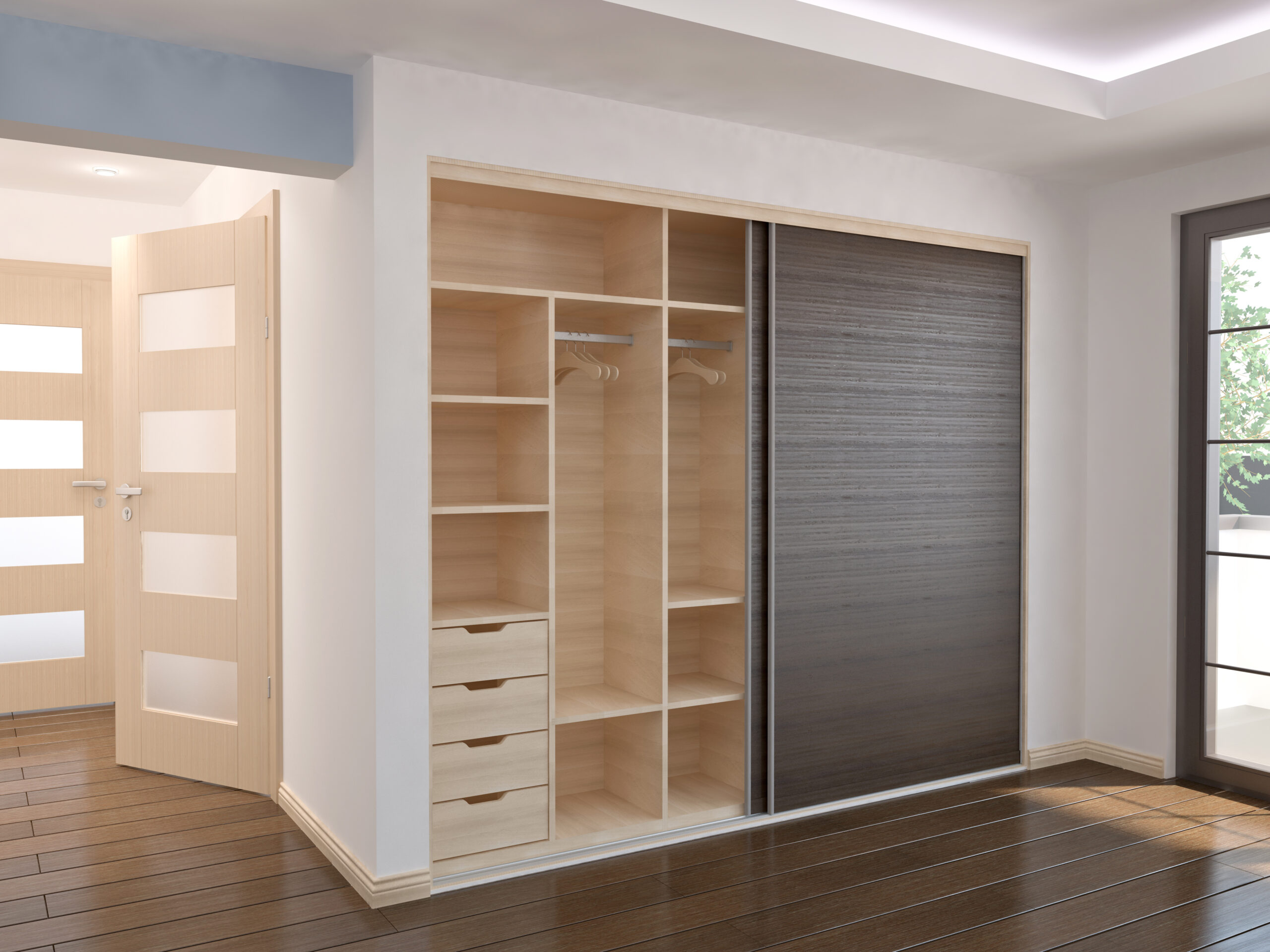
Blouses, dresses, blazers, dress shirts and ties that need to hang take up more room than anything else in a walk-in, so count them before you design anything. Everyday wear, special-occasion clothing and outerwear each need their own stretch of rod to stay in pristine condition, and if you’re sharing the closet, assess how many items will hang between the two of you before deciding who gets which wall. Most wardrobes lean heavily toward short-hung items, which means generous double hanging with a smaller long-hang section for dresses and coats usually stores the most.
Shoe Shelves That Protect the Collection
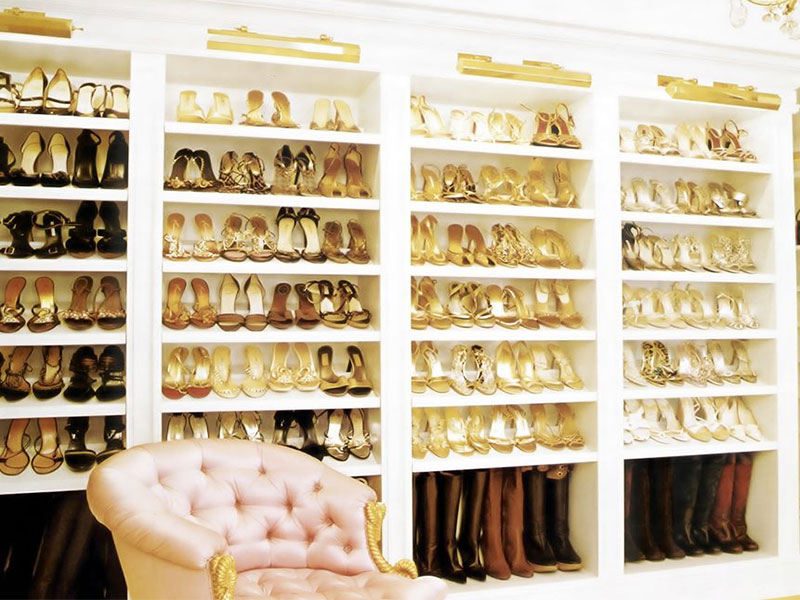
If you own a lot of shoes, a few custom shoe shelves keep the footwear safe and visible. Nothing is worse than a good pair left in a vulnerable spot on the floor and trampled. Dedicated shelving turns the collection into something closer to a display: every pair face-out at a glance, heels and flats each at a height that suits them, and the closet floor left clear.
Put the Drawers Inside the Closet
Drawers are essential in any walk-in. T-shirts, undergarments, socks, even spare supplies all live better in a drawer than on a shelf. The design move that pays off most is skipping the separate dresser and building the drawers into the closet itself. Built-in drawers take up very little room, keep every category of clothing in one place, and free up the bedroom floor space the dresser used to occupy.
Cubbies for the Grab-and-Go Layer
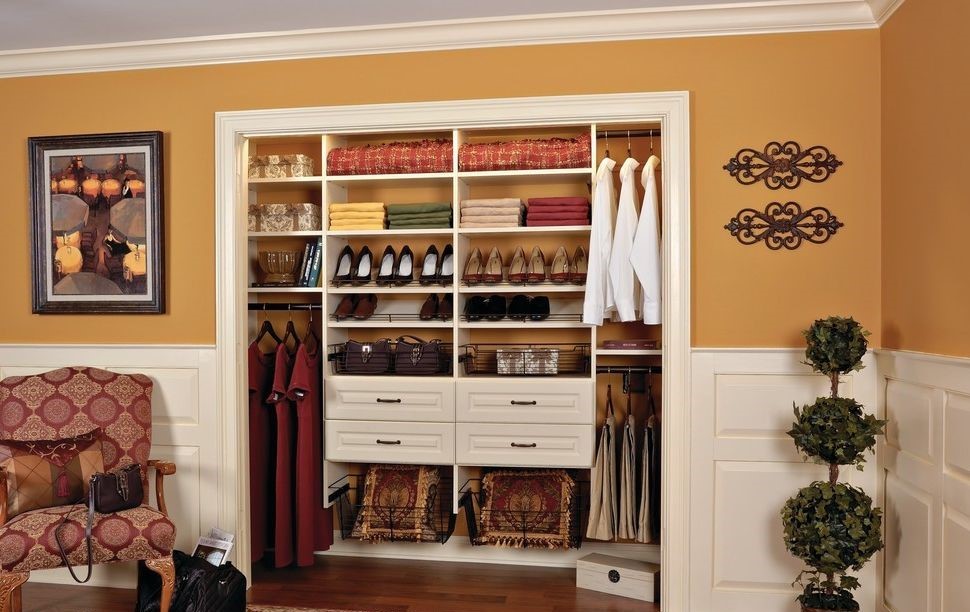
Open cubbies are the workhorse in between rods and drawers. They’re great for folded sweaters, for storing purses and everyday jewellery, and for staging the items you want ready to grab on the way out the door. Cubbies also look great in a walk-in, they’re a neat, compact way of storing things that doubles as a way of displaying them.
Materials and Finishes Set the Tone
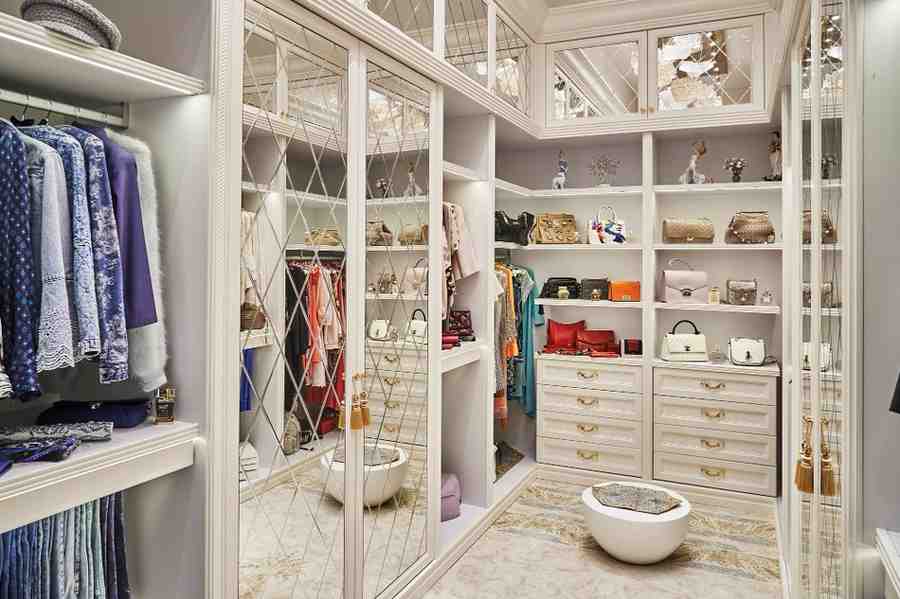
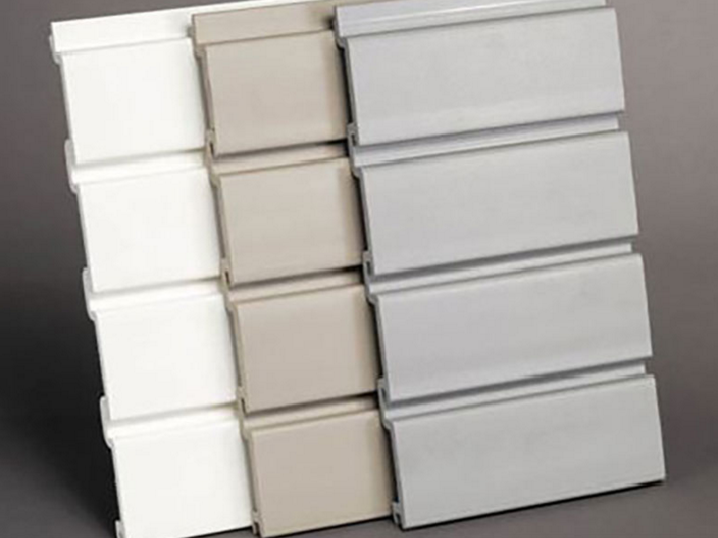
You can choose from different woods, materials and finishes to fit your taste, which is what moves a walk-in from purely practical to genuinely beautiful. A crisp white melamine interior keeps things bright and makes clothing colours read true; warmer wood tones make the room feel like a boutique. Because every part is made to order, the finish, the trim and the hardware can match the bedroom it opens off, or make a deliberate statement of their own. For a sense of the upper end, our luxury closets in Toronto show how far finishes, glass and lighting can take the same footprint.

Walk-In Ideas for Toronto Homes
Toronto homes shape what a walk-in can be. In a condo primary suite, the walk-in is usually a compact L- or U-shape where every inch counts, a combination of double hanging, drawers and cubbies keeps even a small footprint versatile. In the city’s older homes, the classic move is converting a small spare room or deep alcove into a dressing room, working around original baseboards, radiators and out-of-square walls; custom cabinetry is what makes those quirks disappear. And if you’re working with a small space in either kind of home, a walk-in helps you take real advantage of it, every wall works, so your items stay exactly the way you want them. See our custom walk-in closets for Toronto homes for layouts across both.
Walk-In Design Questions, Answered
How do we design a walk-in closet two people share?
Count both wardrobes first, how many items will hang between the two of you decides everything else. From there, give each person their own zone with the mix they need: more hanging for one, more drawers or shoe shelves for the other. Shared closets fail when they’re split evenly instead of split by what each wardrobe actually contains.
Is it better to keep the dresser or build drawers into the walk-in?
Build the drawers in. They take up very little room inside the closet, they put folded clothing beside the hanging clothing it gets worn with, and they hand the bedroom back the floor space the dresser was eating. The dresser only wins if the closet is too small for any drawer bank at all.
What are closet cubbies actually best for?
Folded sweaters, purses, everyday jewellery, and anything you want visible and ready to grab on the go. Cubbies are the open middle ground between rods and closed drawers, neat and compact, but also a way to display the pieces you like. Size a few of them around your largest bags and the rest around a folded-sweater stack.
Can a small bedroom still get a walk-in closet?
Often, yes, a walk-in is defined by being able to step into it, not by being huge. If you’re working with a small space, a walk-in actually helps you take advantage of it, because all of the walls work for storage instead of one. The honest answer comes from measuring: sometimes the better call is a deeper reach-in, and a designer should tell you that plainly.
What finishes can I choose for a walk-in closet interior?
Different woods, materials and finishes are all on the table, bright white interiors that keep colours true, wood tones that warm the room up, and trim and hardware to match the bedroom or contrast with it. Since the cabinetry is built to order, the finish is a genuine design choice, not a pick from three catalogue colours.
Ready to design a walk-in around your wardrobe? Call Space Age Closets at (647) 394-7557 to book a free in-home consultation anywhere in Toronto and the GTA.