Space Age Closets builds custom closets and cabinetry for homes across Toronto and the GTA, and one problem walks through our door every fall without fail: clothes moths. The good news is that keeping moths out of your closet is mostly maintenance, not warfare, and a well-built closet makes that maintenance almost automatic. Here’s the routine we recommend to clients, refined over three decades of seeing what actually works in Toronto homes.
Know What You’re Dealing With
Those small flying bugs you spot when the winter clothes come out are usually clothes moths, and it’s not the adults doing the damage, it’s their larvae, which feed on wool, cashmere, silk, and fur. Carpet beetles cause similar holes and get blamed on moths constantly. Both love the same conditions: dark, undisturbed corners, and fabric with a trace of sweat or food on it. Toronto’s older homes, with their deep original closets and wall-to-wall broadloom, give them plenty of hiding places. Before you wave your hands in the air, know that this is very fixable.

Clean First. It Beats Every Repellent
Vacuuming and cleaning are the single best deterrent. Vacuum the closet floor, the corners, the baseboards, and under anything that sits on the floor, wherever it’s dark and undisturbed is exactly where eggs and larvae hide. Vacuuming and brushing the clothes themselves removes not just adult insects but the eggs you can’t see. Just as important: only clean clothes go back in. Sweat and food stains are what attract the larvae in the first place, so an end-of-season wash or dry-clean before storage is the cheapest insurance there is. Delicate fabrics can be dry-cleaned; sturdier pieces can simply be ironed.
If You Already Have an Infestation
Extreme temperature is the reliable kill. Dry-cleaning and a hot iron handle it on the warm end; on the cold end, sealing garments in bags and freezing them for several days destroys eggs and larvae in anything too delicate to heat. Wash everything that can take a hot cycle, vacuum the closet thoroughly, and empty the vacuum outside so you’re not re-homing the problem. If moths keep returning after all that, it’s reasonable to call in a local pest professional, but in our experience most Toronto closets never need to go that far.
Seal the Routes In
Moths can’t eat what they can’t reach. Store off-season wool and delicates in sealed, airtight containers, no gaps, no holes, and they’re safe no matter what’s flying around. If the closet itself has cracks in the walls or trim, seal them; acoustic sealant works well and closes off the hiding spots. This is also where cabinetry quality quietly matters: closed drawers and doors that actually fit, with tight tolerances, leave far fewer routes in than open wire shelving and gappy builder-grade boxes.
Cedar and Other Repellents That Don’t Stink
Traditional mothballs work, but the chemicals are harsh, plenty of people react badly to them, and the smell outlasts the moths. We don’t recommend them. Cedar planks, balls, or sachets do a respectable job and smell like a closet should, just remember cedar’s oils fade, so give the wood a light sanding once in a while to refresh it. Sachets of lavender, rosemary, eucalyptus, mint, or cloves also help, but keep the oils themselves off fabric; they stain. If you love cedar enough to want a fully lined closet, put it on an outside wall, the scent travels, and not every room should smell like a hamster cage.

A Closet Built to Stay Bug-Free
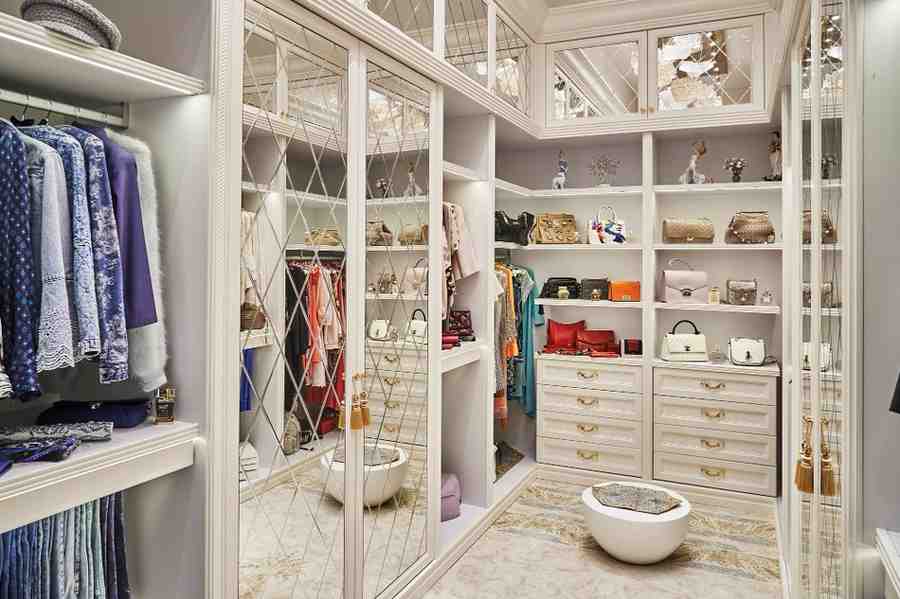
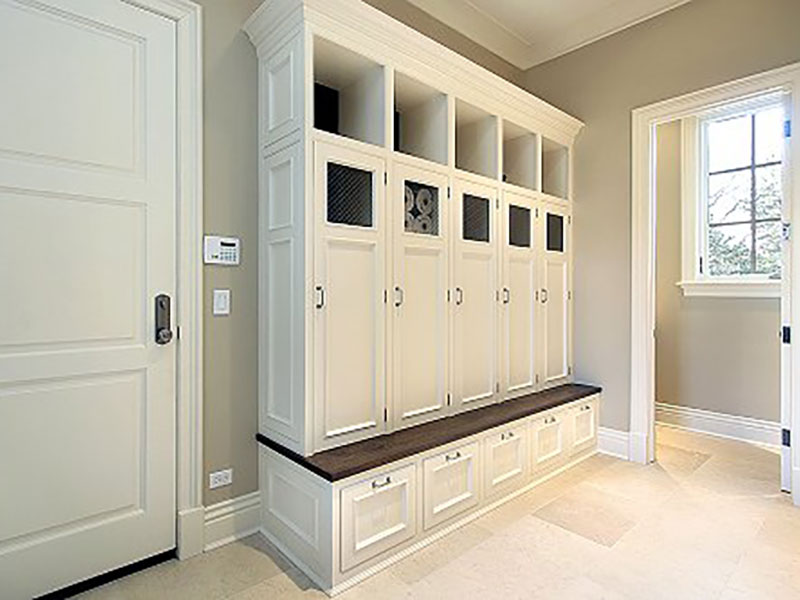
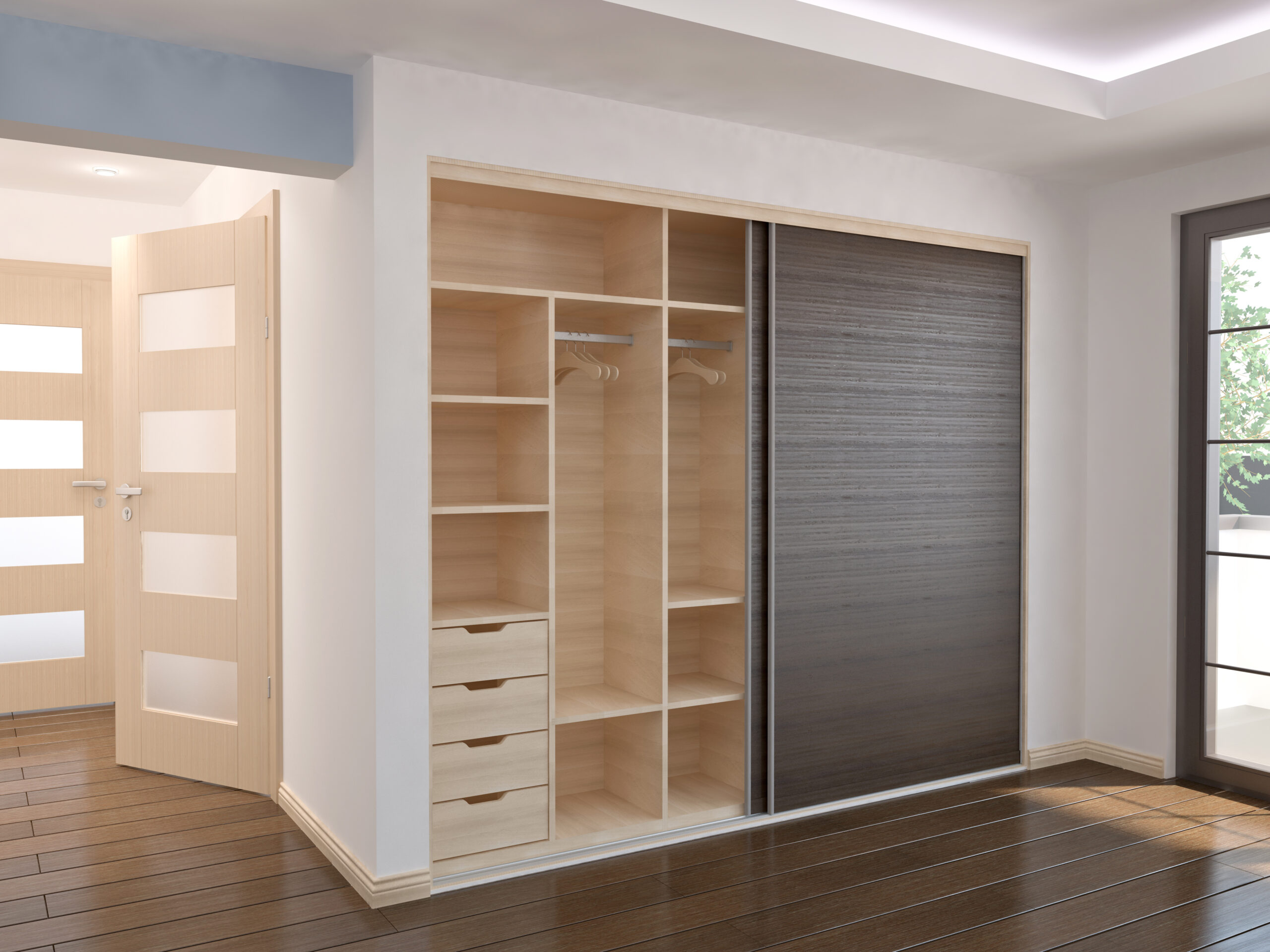
Every habit above gets easier in a closet designed for it: enclosed drawers for knits, sealed sections for off-season storage, a cedar-lined bank where the wool lives, and clean, accessible surfaces that take two minutes to vacuum instead of twenty. That’s the thinking behind our custom closets in Toronto, storage that protects the clothes, not just holds them. Even a modest reach-in closet can be rebuilt with tight-fitting drawers and a proper storage shelf that make moth prevention a side effect of the design.
Closet Moth Questions, Answered
What attracts moths to a closet in the first place?
Dark, undisturbed corners and worn fabric. Moth larvae feed on natural fibres, wool, cashmere, silk, fur, and they’re drawn to garments carrying traces of sweat or food. A closet that gets vacuumed regularly and only ever holds clean clothes is a poor target.
Does cedar actually repel clothes moths?
Cedar’s natural oils deter moths, which is why cedar planks, balls, and sachets have been used for generations. The catch is the oils fade over time, refresh the wood with a light sanding every so often, and treat cedar as one layer of defence alongside cleaning and sealed storage, not the whole plan.
Can freezing really kill moth eggs in clothing?
Yes. Seal the garment in a plastic bag and leave it in the freezer for several days, the cold destroys eggs and larvae in pieces too delicate for hot washing or ironing. It’s the standard rescue for fine knits and vintage wool.
Should I still use mothballs?
We’d say no. The active chemicals are harsh, many people react to them, and the smell soaks into clothes and lingers for months. Clean storage in airtight containers plus cedar or herb sachets gives you the protection without living with the odour.
How often should a closet be vacuumed to keep bugs out?
Corners, floor, and baseboards once a month or so, and a full empty-and-vacuum at each seasonal changeover. The two deep cleans matter most. They coincide with clothes going into storage, which is exactly when you want zero eggs travelling with them.
Ready for a closet that protects your wardrobe as well as it stores it? Call Space Age Closets at (647) 394-7557 to book a free in-home design consultation.