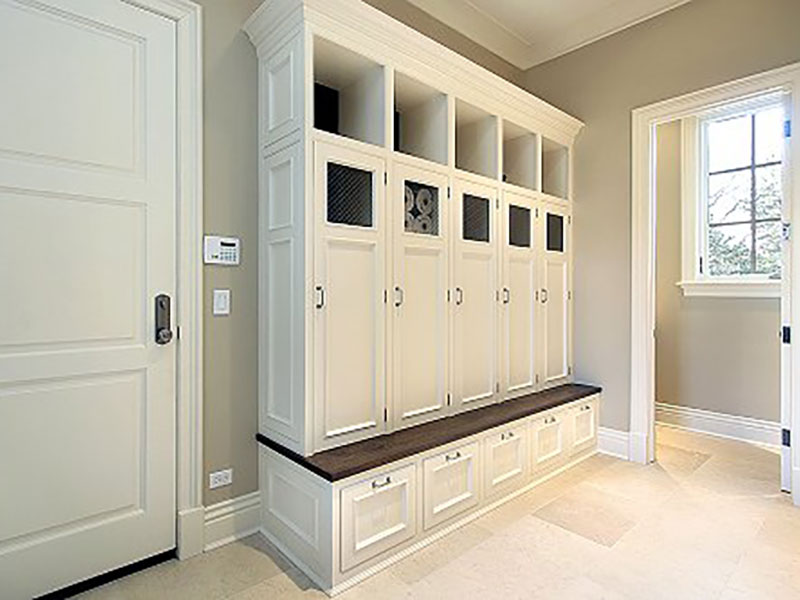
Most Toronto homes were built long before anyone said the word “mudroom” — so where do the boots, coats and backpacks actually go? The answer is a custom entryway built-in: mudroom function fitted into the space your home already has — a front hall wall, a side-door landing, a stair-side nook or a condo foyer. With cabinetry designed to the inch, even a three-foot strip of wall can absorb a family’s daily gear.
Space Age Closets & Custom Cabinetry has been fitting mudroom-style storage into Toronto’s mudroom-less housing stock since 1989. Here’s what works in each kind of home.

The Toronto Problem: Great Houses, No Landing Zone
Victorian and Edwardian semis open straight into the living room. Post-war bungalows have a side-door landing four steps up from the basement. Condos have a foyer the width of the door. None of them were designed for Canadian winters’ worth of parkas, boots and salt — which is why the front hall becomes a pile.
You don’t need an addition. You need the entry you have, working harder.
Built-In Ideas by Home Type
Victorian & Edwardian semis (Riverdale, Leslieville, the Junction)
The front hall is narrow, but it’s usually tall — and that’s the opportunity. A shallow floor-to-ceiling built-in (even 12–14″ deep) along one wall takes hooks, cubbies and closed uppers without pinching the hallway. We scribe panels to century-old crooked plaster and work around original trim, radiators and newel posts — the built-in looks like it was always there.
Post-war bungalows (Scarborough, Etobicoke, North York)
The side-door landing is the real family entrance. A compact bench with boot cubbies below and hooks above turns the landing into a working mudroom. Where the landing splits to the basement, we use the stair-side wall for vertical storage the builder never imagined.
Condos and townhomes
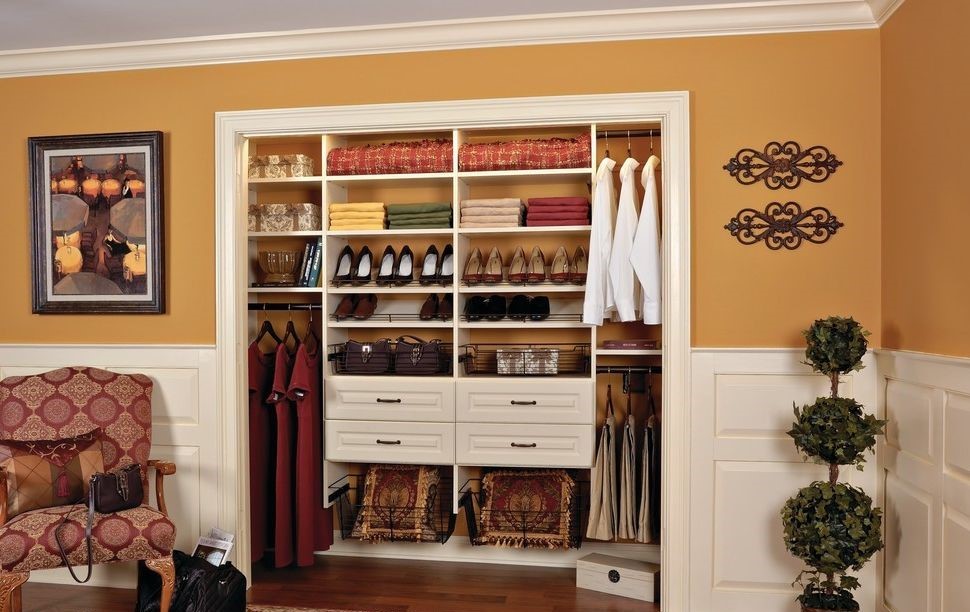
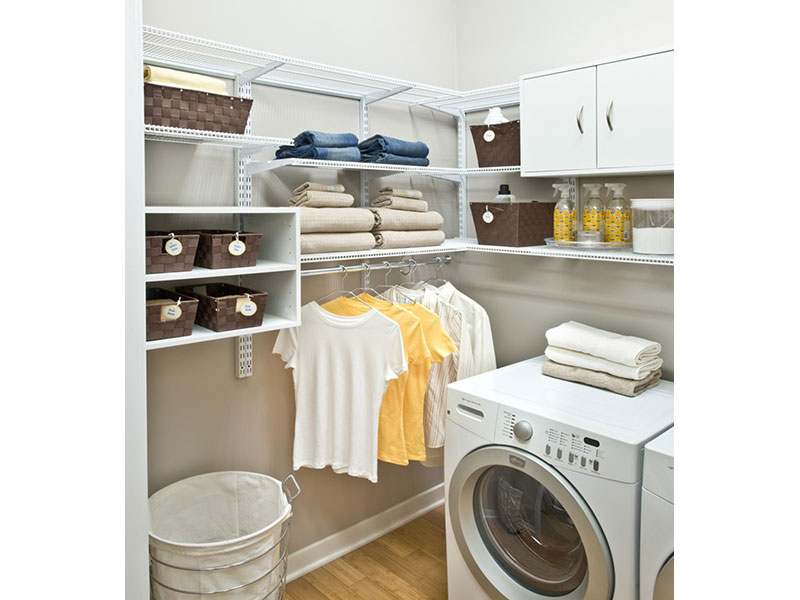
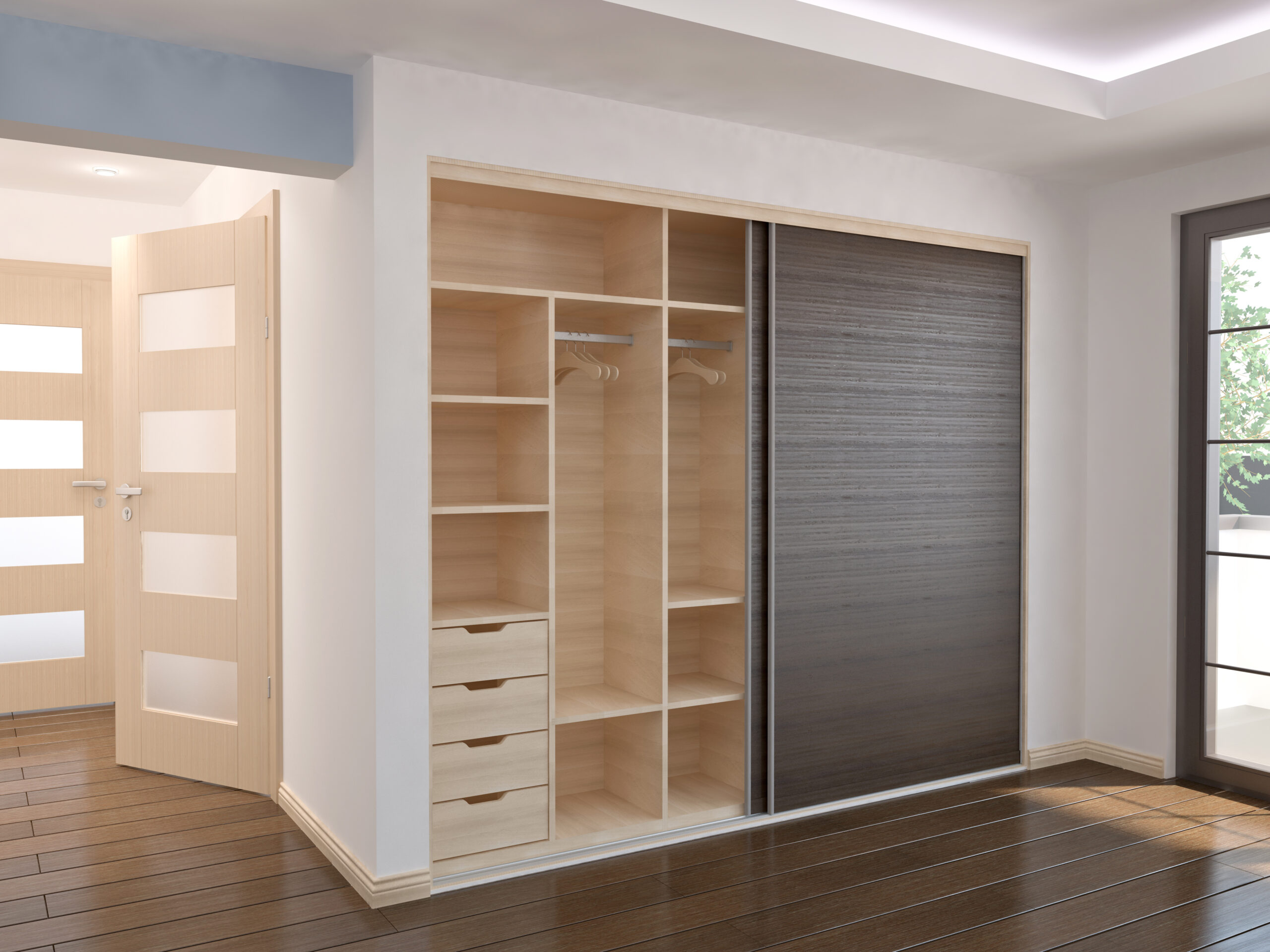
The foyer closet is the single most wasted space in most condos — one rod, one shelf, a pile on the floor. Rebuilt with a custom interior (double hanging, shoe shelving, a bench edge, hooks inside the door swing) it holds triple the gear. No wall space at all? A hall cabinet just 12 inches deep swallows shoes and keys and reads as furniture.
Detached homes with a garage entry
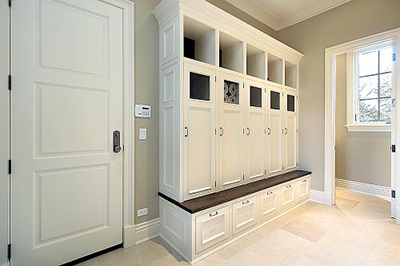
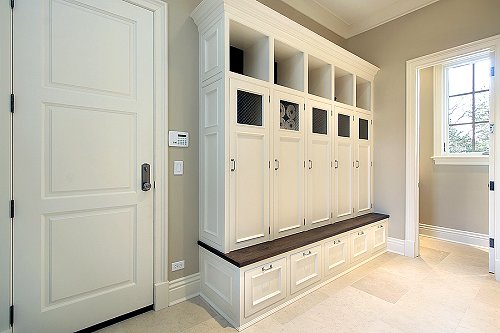
The two steps between garage and kitchen are prime real estate. A locker run in that landing catches everything before it enters the house — the full treatment is in our custom mudroom cost guide.

The Five Elements That Make an Entry Work
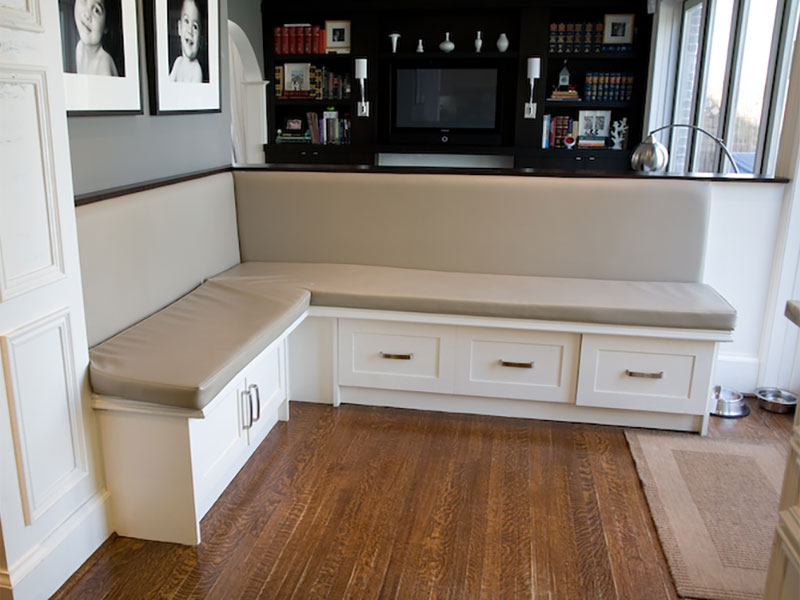
- A place to sit — even a 24″ bench changes how the space functions (boots, kids, groceries)
- A hook per person, at their height — kids use hooks they can reach; they don’t use hangers
- Shoe storage with a boundary — cubbies or a tray zone; the pile needs a defined home
- Closed storage for the seasonal layer — hats, mitts, sunscreen, dog gear, out of sight above
- A drop spot — keys, mail, phone charging; a small niche or drawer stops the counter creep
A custom built-in gets all five into whatever footprint your entry offers — that’s the difference from a hall tree that provides two of them and tips when a backpack hits it.
Finishes That Survive the Front Door
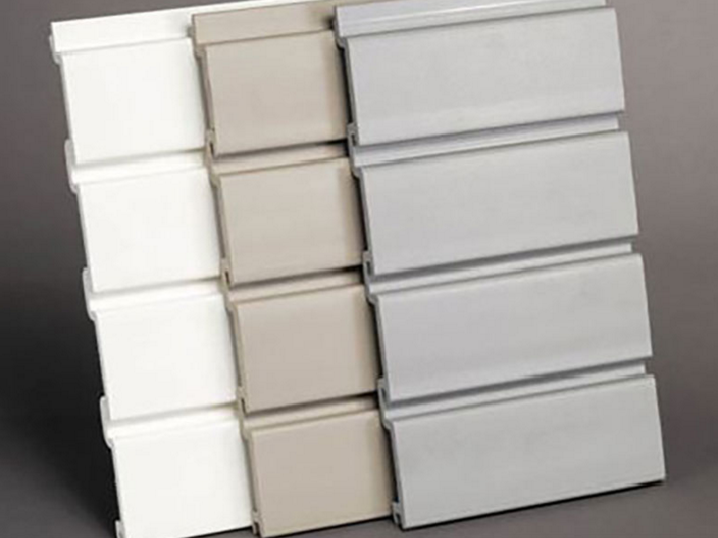
Entryways take salt, slush, wet nylon and boot heels. We build them in textured, wipe-clean laminates with sealed edges — mid-tones that hide scuffs — with anchored construction that shrugs off the daily slam. Easy-clean is standard in our entry builds, not a premium.


Frequently Asked Questions
How shallow can an entry built-in be?
Hooks-and-cubby built-ins work at 12–14 inches deep — shallower than a standard closet — which is why they fit hallways where furniture can’t. Benches want 15–18 inches.
Will a built-in make my small front hall feel smaller?
Done right, the opposite: one floor-to-ceiling unit replaces the coat rack, shoe pile, bench and mirror that were eating the floor. Fewer objects, more floor visible, calmer entry.
Can you match my home’s original trim and character?
Yes — panel profiles, colours and details are chosen to sit naturally with the house, whether that’s a 1910 semi or a glass condo. Everything is manufactured locally in our Toronto-area workshop, so nothing is forced from a catalogue.
What does an entryway built-in cost?
Compact entry builds sit at the lower tiers of mudroom pricing — see the custom mudroom cost guide for current Toronto ranges. Exact quote comes free with an in-home design.
Is it worth doing before selling?
An organized entry is the first thing buyers physically experience in a showing. Agents tell us it sets the tone for the whole walkthrough.
Turn the Entry You Have Into the Mudroom You Need
Book a free in-home consultation — we’ll measure your hall, landing or foyer, design a built-in around how your household actually comes and goes, and quote it exactly before anything is built.
Start at spaceageclosets.com/contact-us or call (647) 394-7557. See more solutions on our custom mudroom storage page — Space Age Closets & Custom Cabinetry, building for Toronto homes since 1989.