Space Age Closets & Custom Cabinetry designs and installs custom closet systems for men’s wardrobes across Toronto and the GTA, and this guide covers the part you can do before we ever show up: getting a man’s closet organized so that suits, t-shirts, ties, and shoes each have a permanent home. Do it once, properly, and putting laundry away stops being a decision and becomes a thirty-second habit.

Start With the One-Year Purge
Every closet project we do in Toronto starts the same way, whether it’s a reach-in off a condo bedroom or a full dressing room: get rid of what you don’t wear. The test is one question, have I worn this in the past year? If the answer is no, it goes: donate it to a charity shop, pass it to a friend or family member who’ll use it, or store it long-term outside the bedroom closet if you truly can’t part with it. The ugly holiday sweater, the plaid pants from a phase best forgotten, out. Most men are genuinely surprised how much rod and shelf space comes back after one honest afternoon of purging. And it’s the essential first step, because organizing clothes you never wear just means dusting them in a tidier arrangement.
T-Shirts and Dress Shirts: Sort by Type, Then Colour
T-shirts multiply like politicians at an open bar, so be ruthless about which ones earn a spot. Then pick one system and commit: hang them or fold them, but sort them the same way every time. Plain tees on the left, printed on the right, each group running through its colours. Dress shirts get the same treatment, folded or hung is personal preference, but colour-coded always. It sounds fussy for about a week; after that, picking a shirt in the morning takes five seconds and the closet looks showroom-neat with zero extra effort.

Suits and Jackets Need Room to Breathe
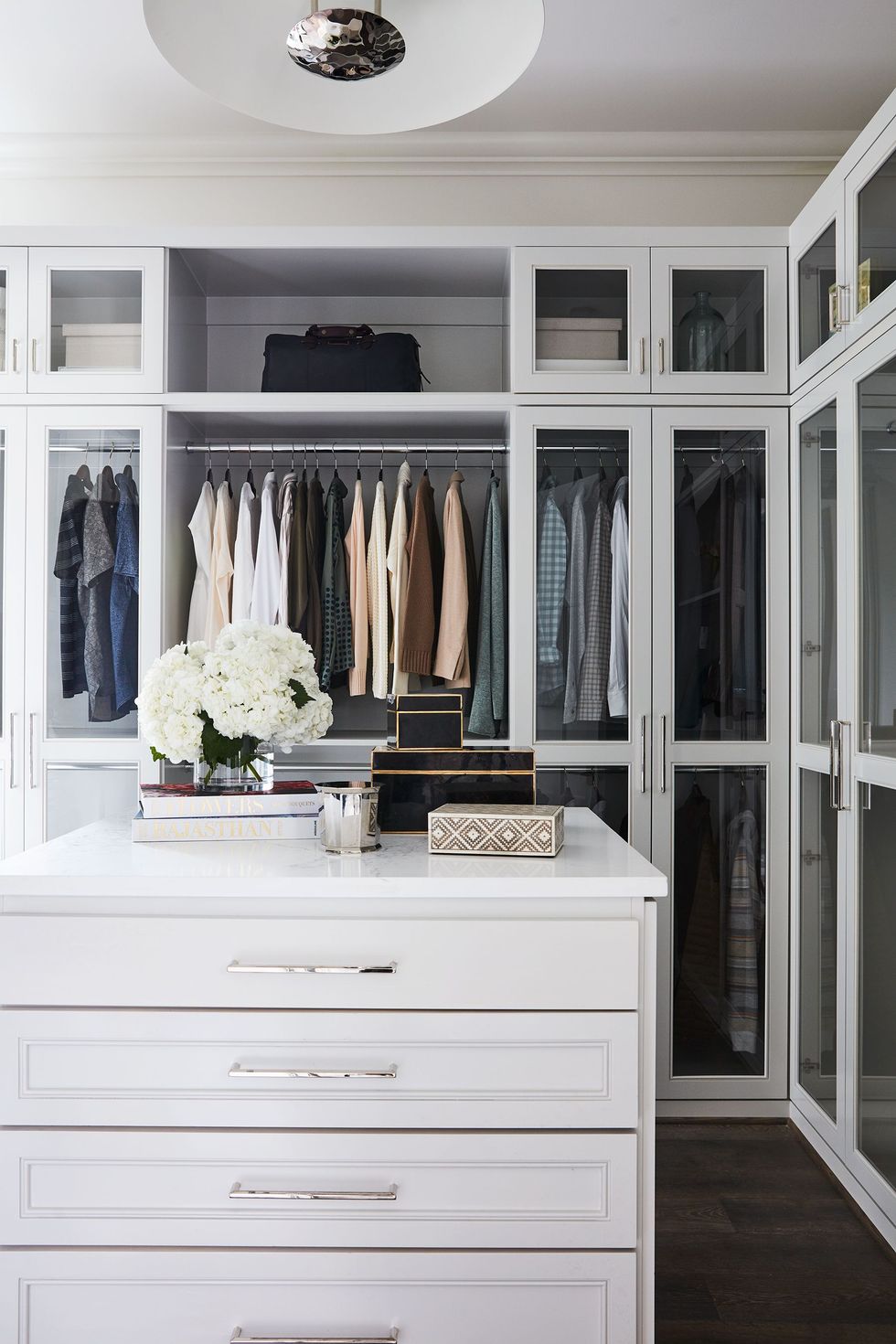
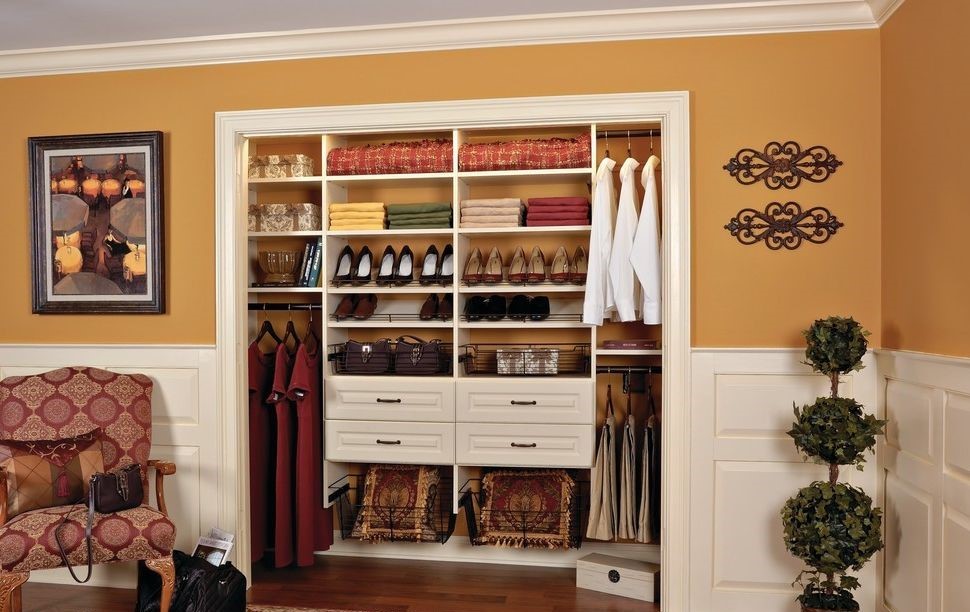
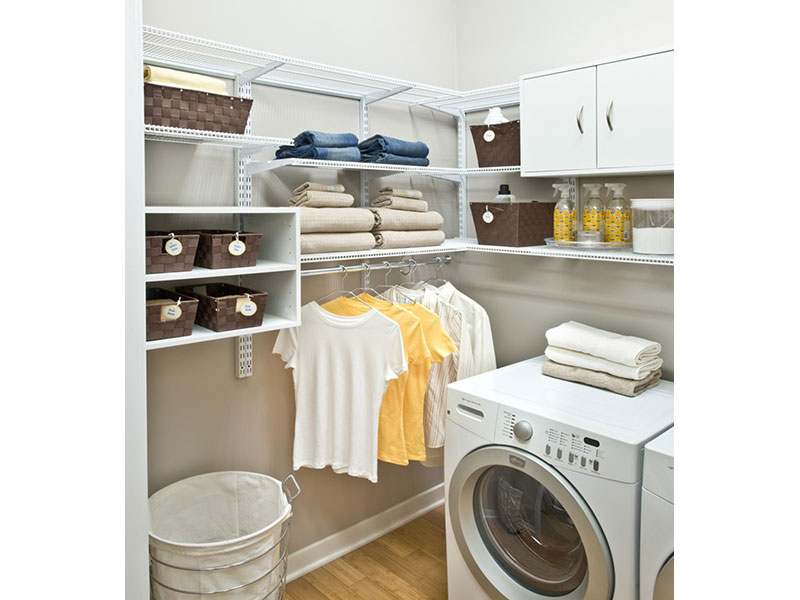
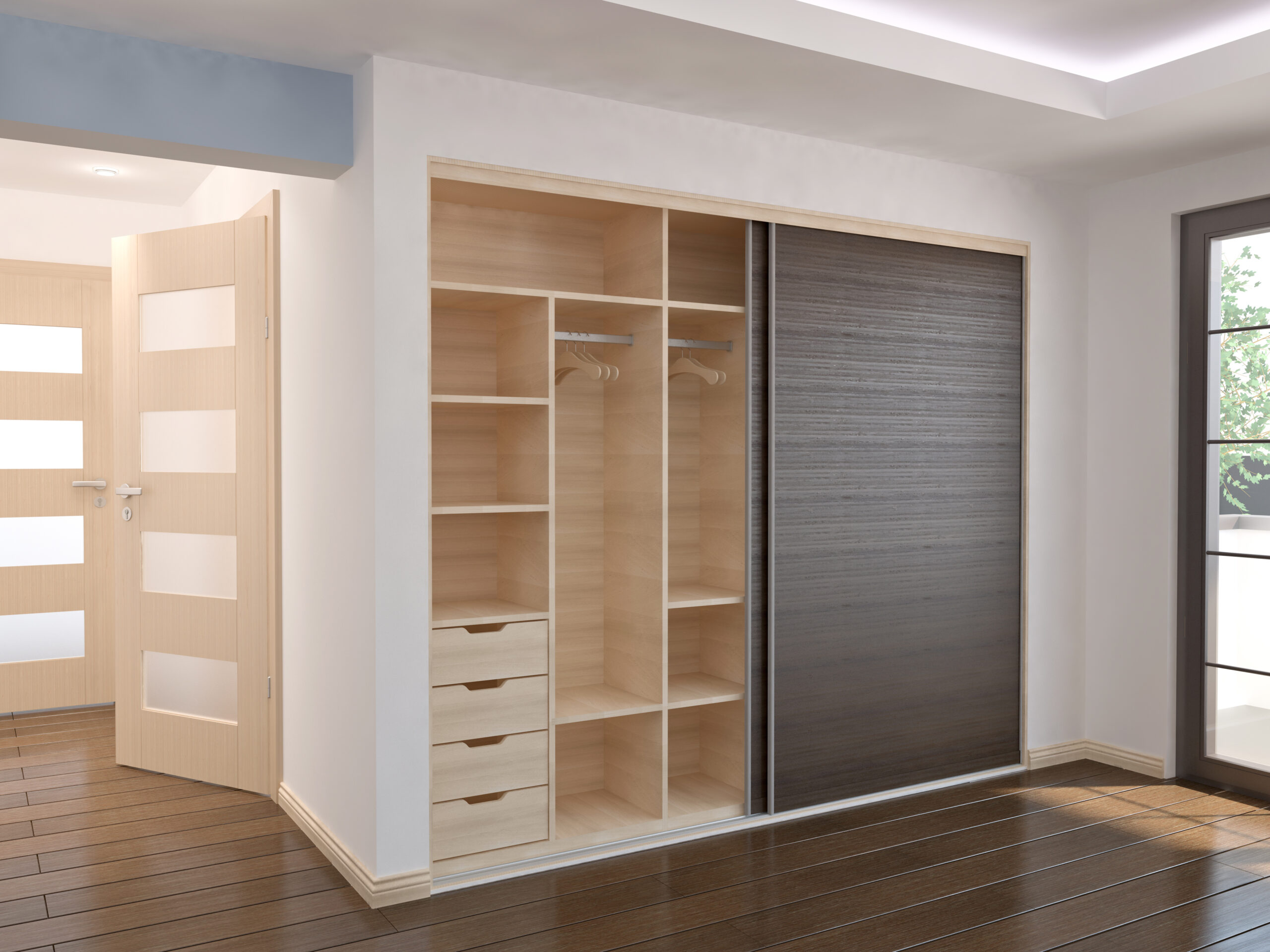
Suits, sport coats, and dress trousers are the most expensive things in most men’s closets and usually the worst treated, crushed together on one sagging rod. Give them a dedicated hanging section with enough space between hangers that shoulders keep their shape, on solid hangers, not wire ones from the dry cleaner. In a custom layout we double-hang wherever possible: shirts and jackets on an upper rod, trousers folded over hangers on a lower one, which roughly doubles what the same wall can hold. That’s the core logic behind our custom closet systems in Toronto, vertical space used deliberately instead of one rod and a pile.
Shoes, Boots, and Sneakers: Off the Floor, On Display
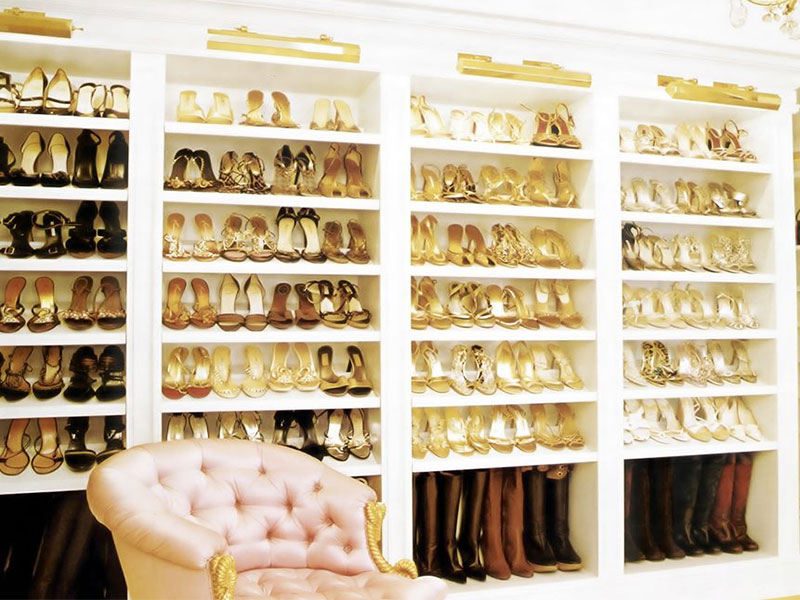
Footwear is always easier to find displayed on shelves or racks than buried in boxes, searching box by box wastes time every single morning. Shelving also lets pairs air out between wears, which the shoes themselves will thank you for. Adjustable shelves handle the height difference between dress shoes, sneakers, and winter boots, and in this city, every man’s closet needs a boot plan for November through March.

Ties, Belts, and the Small Stuff That Disappears
Ties arrive as gifts whether you want them or not, and they’re the first thing to vanish into a drawer tangle. Hang them, on a simple hanger or a dedicated pull-out tie rack, and they stay visible, uncreased, and easy to match to a shirt. Belts work on the same racks. For everything smaller, watches, sunglasses, cufflinks, tie clips, dedicate one shallow drawer, ideally with dividers, so accessories have an address instead of migrating across dressers and entryway bowls.


When Tidying Isn’t Enough: Fixing the Closet Itself
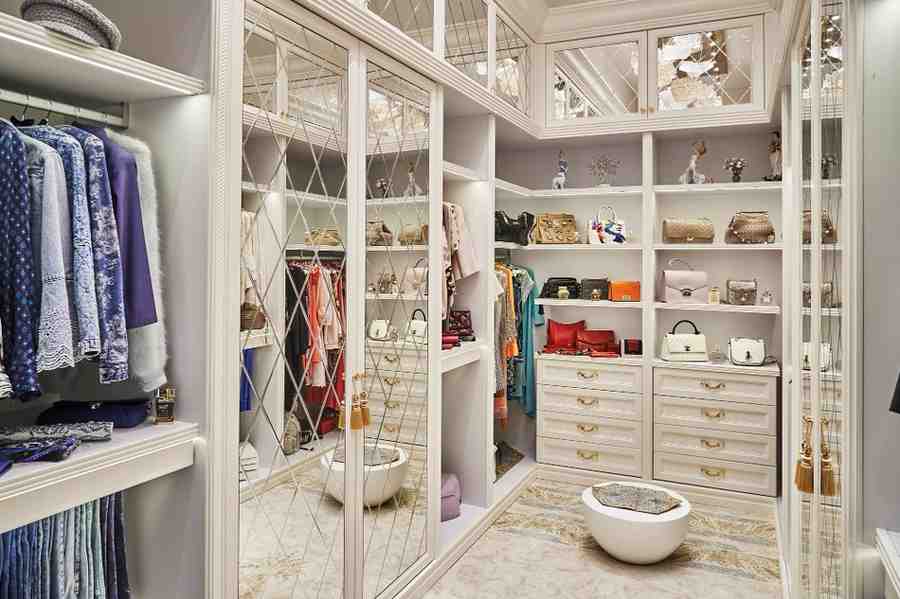
If you’ve purged, sorted, and colour-coded and the closet still doesn’t work, the problem isn’t your habits, it’s the closet. One rod and a wire shelf can’t organize a full wardrobe no matter how disciplined you are. A custom system fits double hanging, shoe shelving, tie and belt racks, and an accessories drawer into the same footprint, sized to your actual wardrobe: more hanging if you wear suits daily, more folded storage if your week runs on t-shirts and hoodies. If the bedroom has the space, a walk-in closet takes the same logic further with room to dress. Either way, everything is designed, built, and installed locally by our Toronto team.

Men’s Closet Questions, Answered
What’s the one-year rule for clearing out a closet?
If you haven’t worn it in the last year, a full cycle of Toronto seasons, it leaves the closet. Donate it, gift it, or move it to long-term storage elsewhere in the house. Formalwear is the honest exception; the rule targets the everyday clothes you keep passing over.
Is it better to hang or fold t-shirts?
Whichever you’ll keep doing, consistency beats the method. Hanging keeps tees crease-free and visible but eats rod space; folding fits more into less room if you stack shallow. Either way, sort plain from printed and run each group by colour so choosing takes seconds.
What’s the best way to store suits and dress shirts?
On proper solid hangers with breathing room between them, crushed suits lose their shoulder shape, and wire hangers leave dents. A double-hang section pairs shirts and jackets on an upper rod with trousers below, doubling capacity on the same wall.
How should ties and belts be organized?
Hung, never drawer-piled. A pull-out tie rack keeps every tie visible and wrinkle-free, and most racks handle belts too. If you’re keeping ties you never wear, the gift ones, purge those first; racks organize much better at half capacity.
Where should watches, sunglasses, and cufflinks go?
One shallow, divided drawer in the closet, a dedicated address for accessories. Small items get lost precisely because they have no fixed home; a felt-lined drawer with compartments keeps watches, glasses, and cufflinks findable and scratch-free.
Ready for a closet that keeps itself organized? Call Space Age Closets & Custom Cabinetry at (647) 394-7557 for an in-home consultation anywhere in Toronto and the GTA.