Space Age Closets and Custom Cabinetry designs and builds custom wall units for Toronto and GTA homes, built-in shelving, doors and drawers that turn one blank wall into organized storage. If you’re wondering whether you really need a wall unit built, the honest answer comes down to a single word: storage. Everything else a built-in does for a room follows from that.

The real job of a wall unit: hiding everyday clutter
Every room collects things, remotes, chargers, board games, paperwork, the kids’ craft supplies. Without a set home, all of it ends up visible. A wall unit’s mix of closed doors, drawers and open shelving gives that everyday mess a place to disappear into, so the room reads as tidy even on a busy week. The doors and drawers hide what would normally sit out in plain sight; the open shelves hold the things you actually want to see.
That’s the difference between a built-in and a collection of freestanding furniture: one wall unit, planned carefully, replaces a bookcase, a media stand, a toy chest and a catch-all cabinet, and does it in less floor space, because it uses the full height of the wall.
Which rooms get the most out of a built-in
Family rooms are the classic spot, but wall units work anywhere clutter gathers:
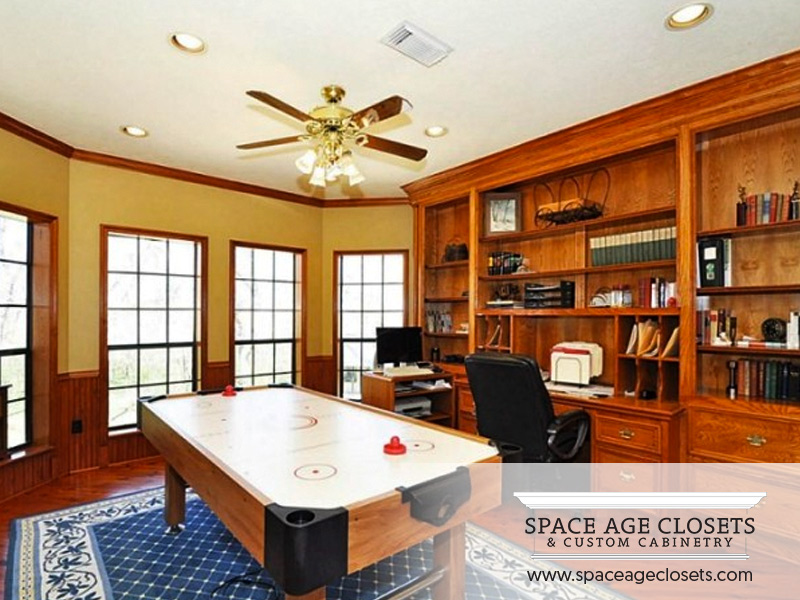
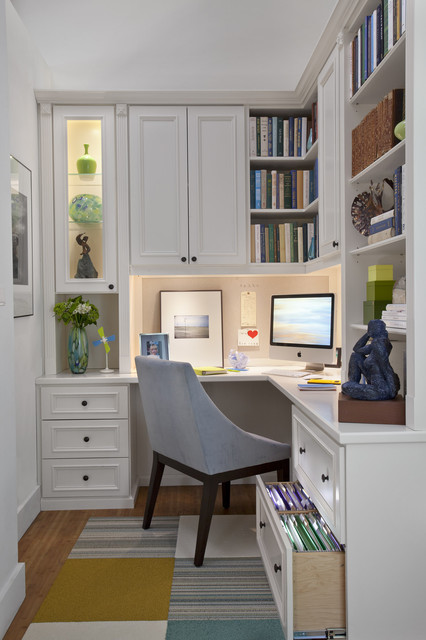
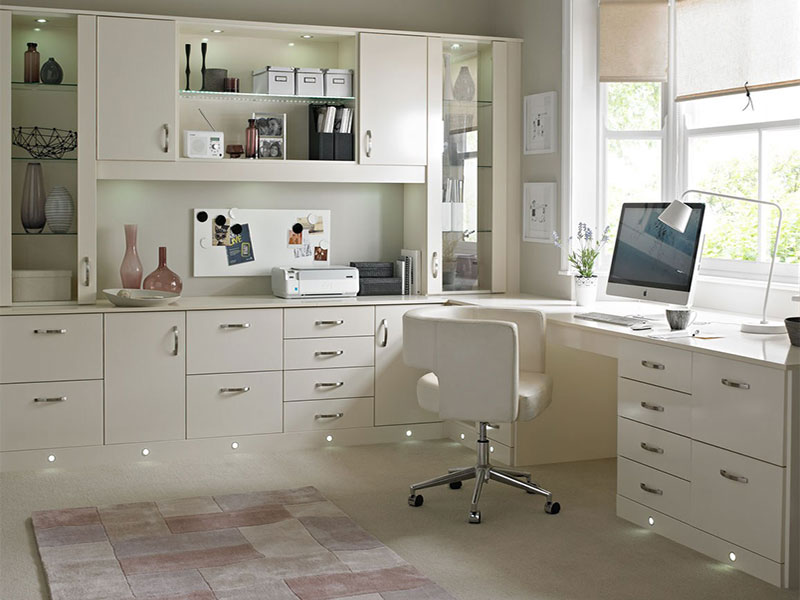
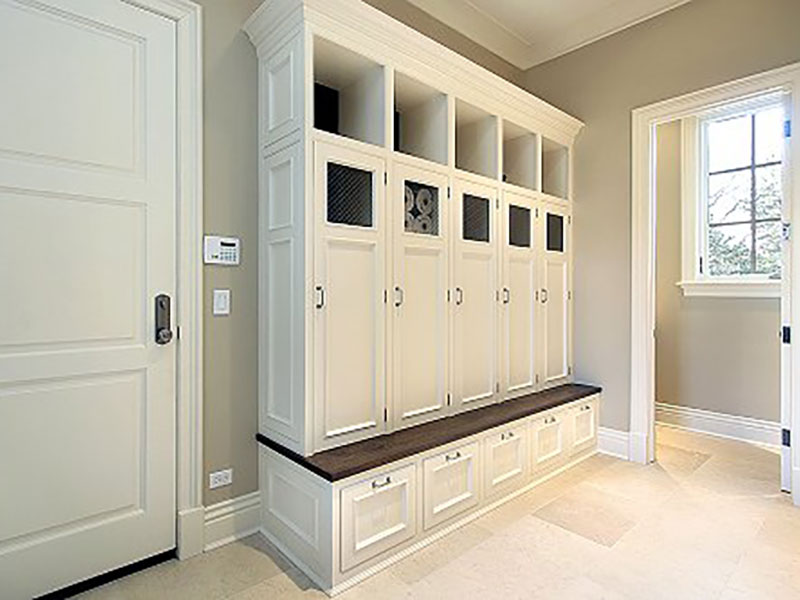
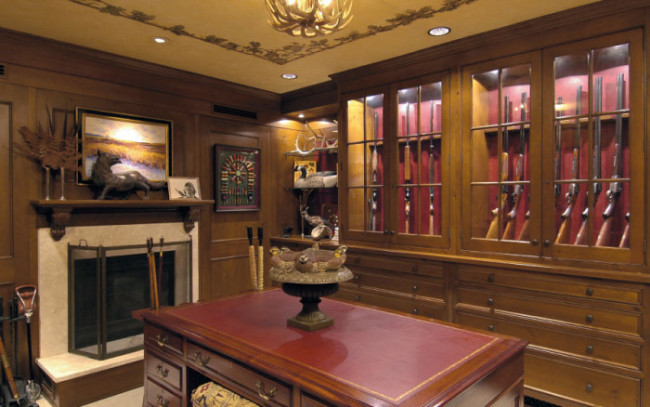
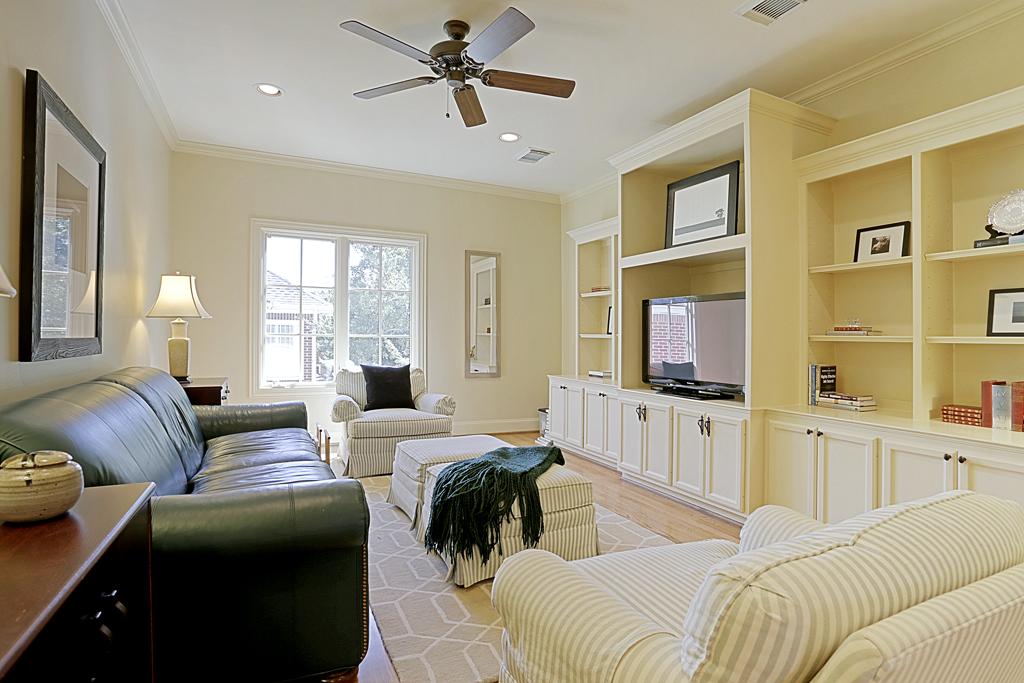
Family room or living room, media storage below, display above, the TV framed in the middle. Home office, binders, files and equipment behind doors, reference books on open shelves. Hallway, shallow built-ins turn dead corridor walls into storage for linens, seasonal gear and the overflow no other room wants. Bedroom, a wall unit can carry wardrobe overflow, books and a dresser’s worth of drawers in one fitted piece; it pairs naturally with custom closets when the closet alone can’t keep up.
Group like with like, and it stays organized
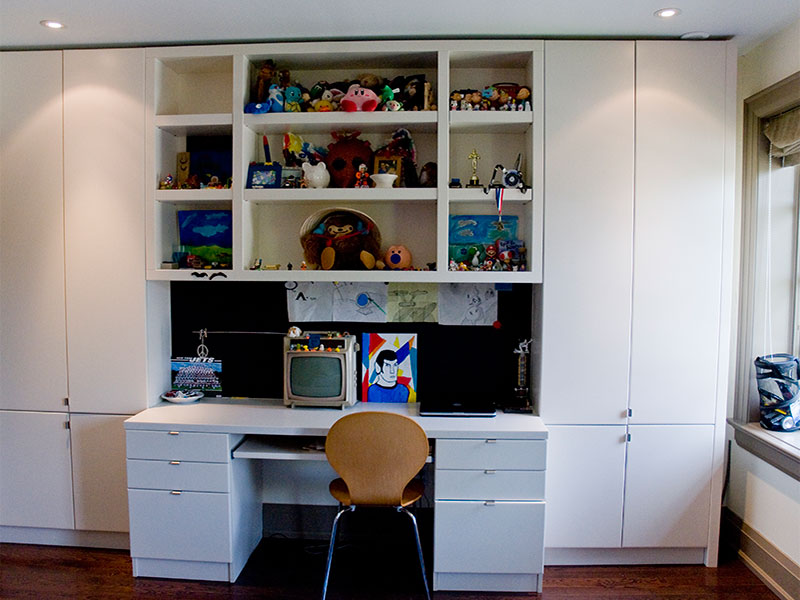
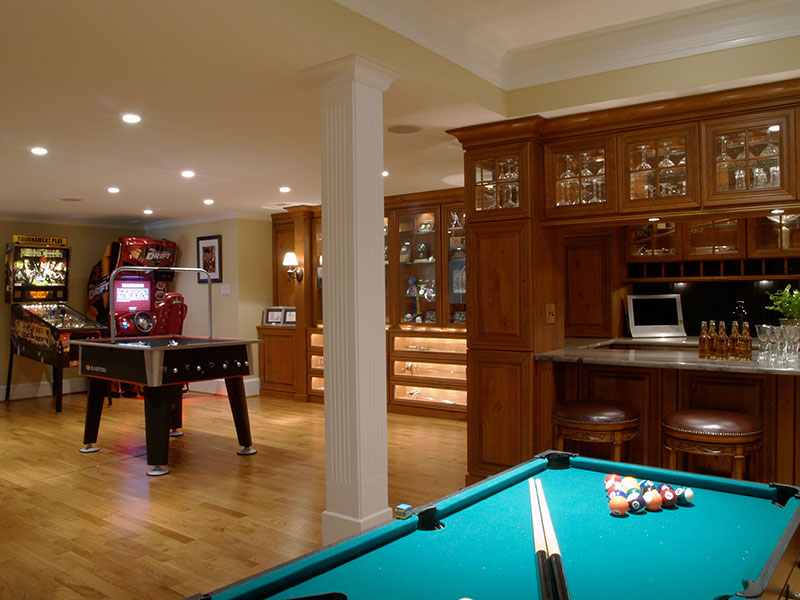
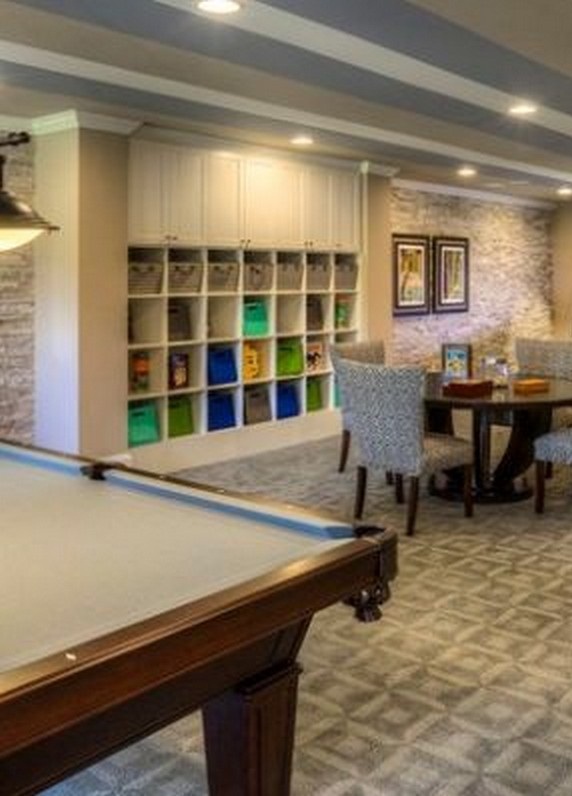
A wall unit only looks after you if you load it with a system. The rule we give clients is simple: group like-minded items together and give each group its own zone. Movies and media in one bay. Games, toys and the kids’ paraphernalia in another, ideally in drawers or behind doors at kid height. Books together, so the unit becomes your own personal library. Collectibles together on the display shelves, where they read as a collection instead of scattered knick-knacks.
When every category has one home, tidying the room takes minutes, and the unit never slides back into being a dumping ground.
The entertainment wall, and yes, the fireplace
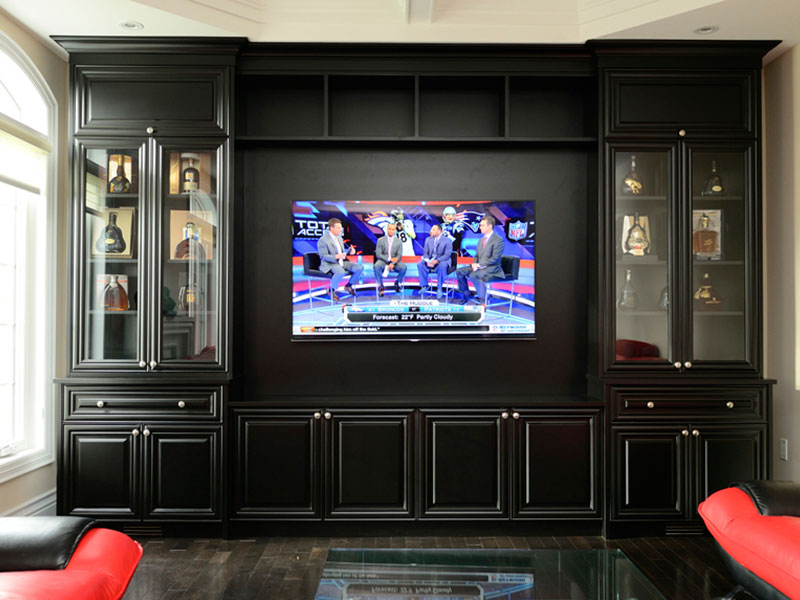
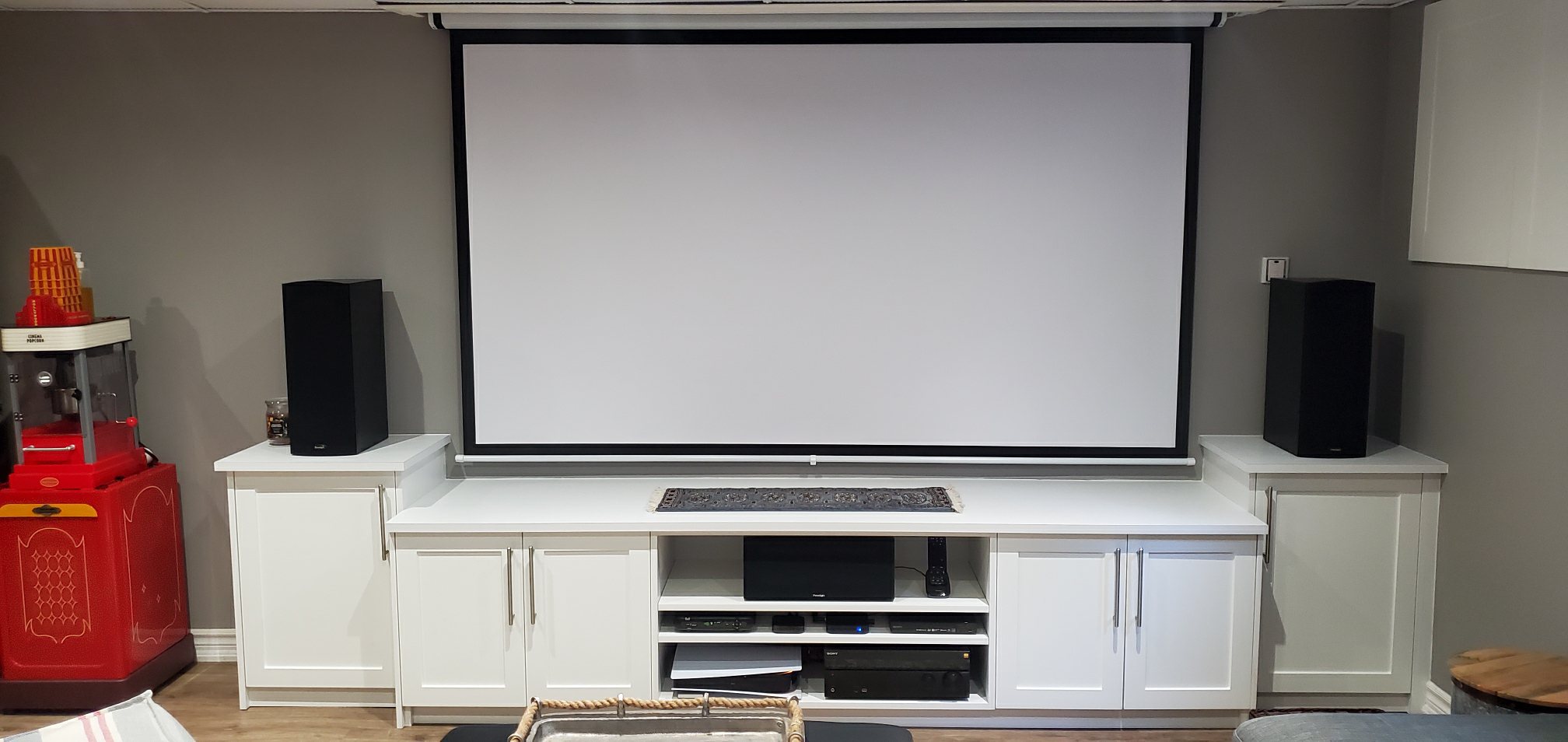
For most families the heart of the wall unit is the entertainment system: the TV for the big game, the sound equipment, the consoles, and closed storage for every cable and controller. Building the media wall as one piece means the screen sits at the right height, the components get ventilated cabinet space, and nothing dangles.
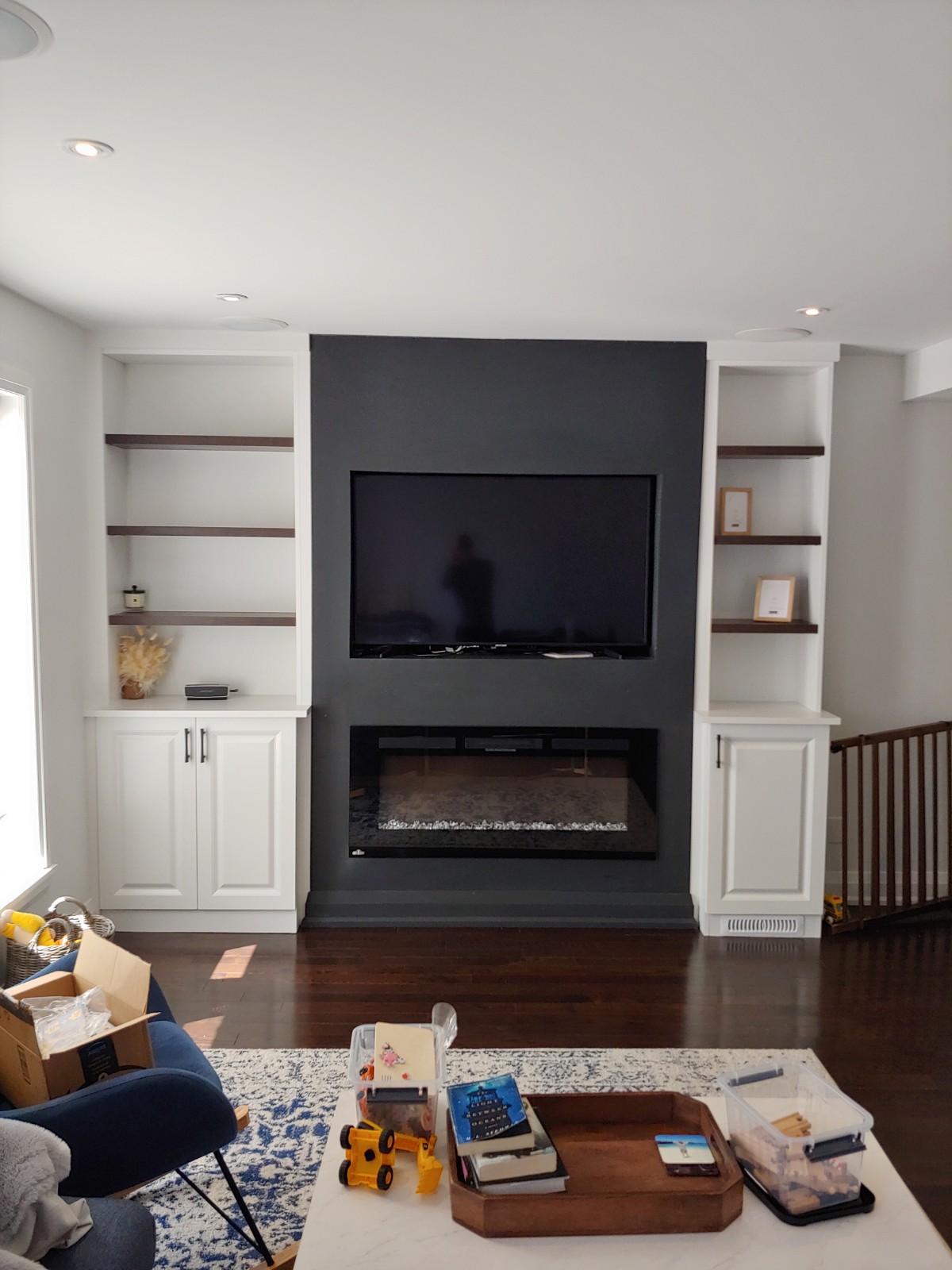
A fireplace can be incorporated into the built-in as well. A media wall with a fireplace below the screen turns the whole room toward one warm focal point, the spot everyone snuggles into on a cold Toronto winter evening.

What a built-in does for resale
Because a wall unit is fitted millwork rather than furniture, it stays with the house, and buyers notice. A well-planned built-in adds what we call internal curb appeal: the room shows bigger, calmer and more finished, and the storage reads as a feature rather than an afterthought. It’s one of the few storage projects that keeps paying you back when it’s time to sell.
We design and build custom wall units for Toronto homes to fit the wall, the room and the way your family actually uses it, not a stock module forced into place.
Thinking about a built-in for your family room, office or hallway? Book a free in-home design consultation with Space Age Closets and Custom Cabinetry, call (647) 394-7557.
Wall Unit Questions, Answered
Can a fireplace be built into a wall unit?
Yes. An electric fireplace can be incorporated directly into the cabinetry, usually below the TV bay, with the surrounding millwork planned around its clearances from the start. It turns the unit into the room’s focal point and is one of the most requested features in GTA family-room built-ins.
Can you design a wall unit around the TV and equipment I already own?
That’s exactly how it should be done. We measure your screen, receiver, consoles and speakers and size the bays around them, with wire routing behind the cabinetry and room to upgrade to a larger TV later, so the unit doesn’t date itself in three years.
Do built-in wall units help when selling a home?
They help the home show better. Built-ins stay with the house, so buyers see finished storage instead of an empty wall and a furniture problem to solve. A room with a fitted wall unit presents as calmer and more complete, what we call internal curb appeal.
How do I stop a wall unit from becoming a dumping ground?
Zone it by category before anything goes in: media in one bay, games and toys in another, books together, collectibles together on display shelves. When every group of items has exactly one home, resets take minutes, and anything that doesn’t belong to a zone gets questioned instead of stashed.
Should a wall unit go all the way to the ceiling?
In most Toronto homes, yes. Full-height cabinetry earns you an extra shelf or cabinet run for out-of-season and rarely used items, and it eliminates the dust shelf that collects on top of shorter units. It also makes the piece read as architecture rather than furniture.